USAID BRINGS SAFE DRINKING WATER TO KROLEVETS

19 January 2024

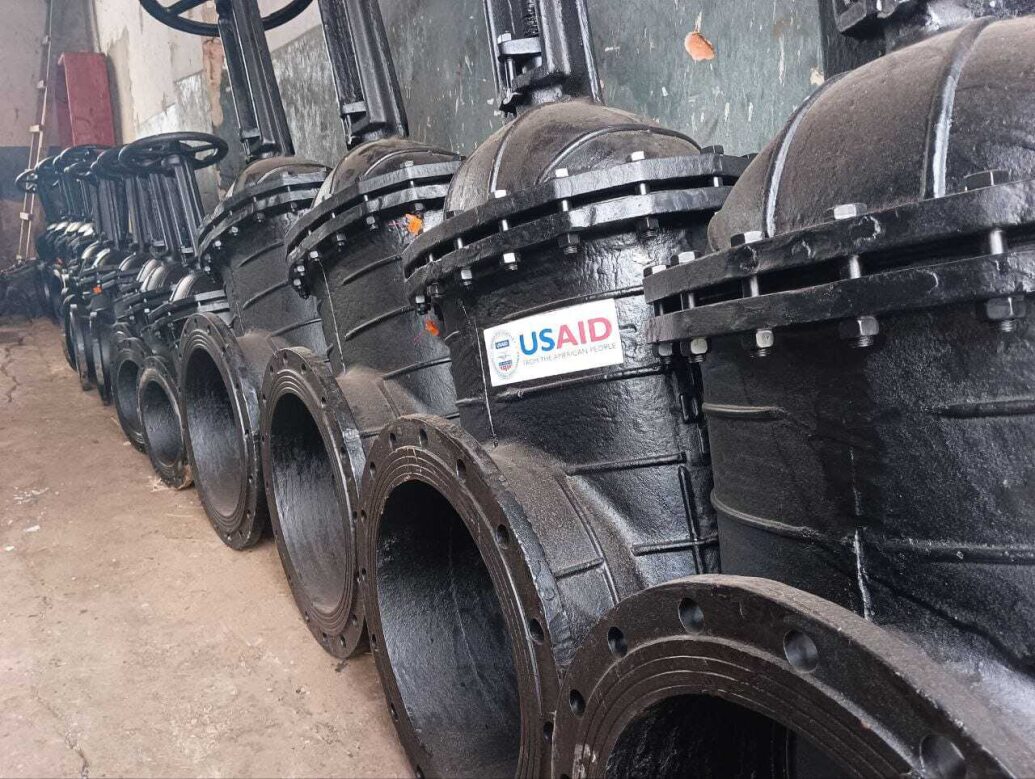
Through its Economic Resilience Activity (ERA), USAID provided key materials for a complex renovation of the central water supply system in Krolevets, Sumy Oblast, to improve access to clean, potable water for over 23,000 residents.   

The city’s existing pipe network dates back to the 1960s, and most pipes are worn out and dilapidated, rendering the water running through them unsafe for human consumption. Citizens have had to buy drinking water or purify it themselves to make it safe to drink.  

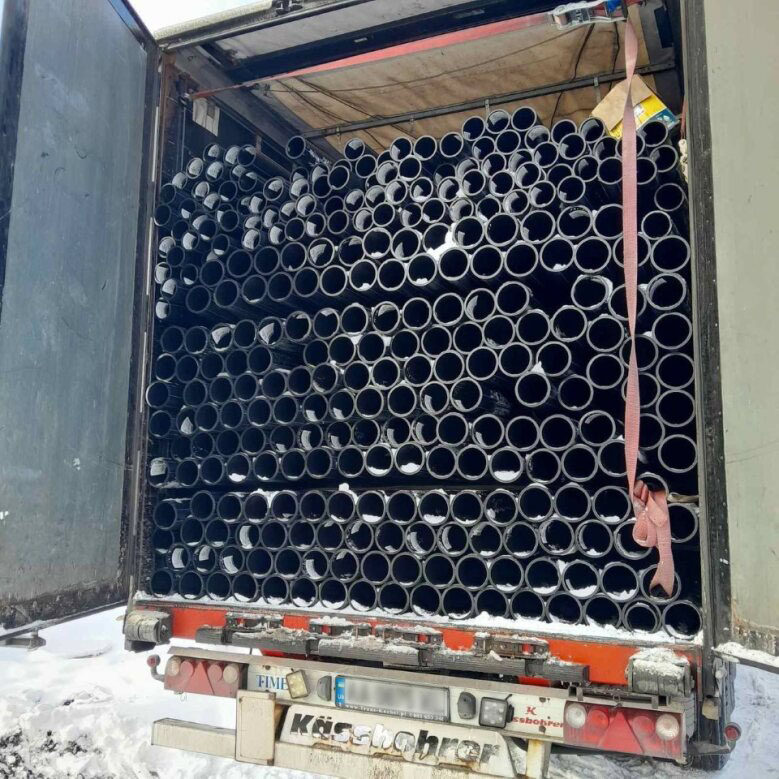
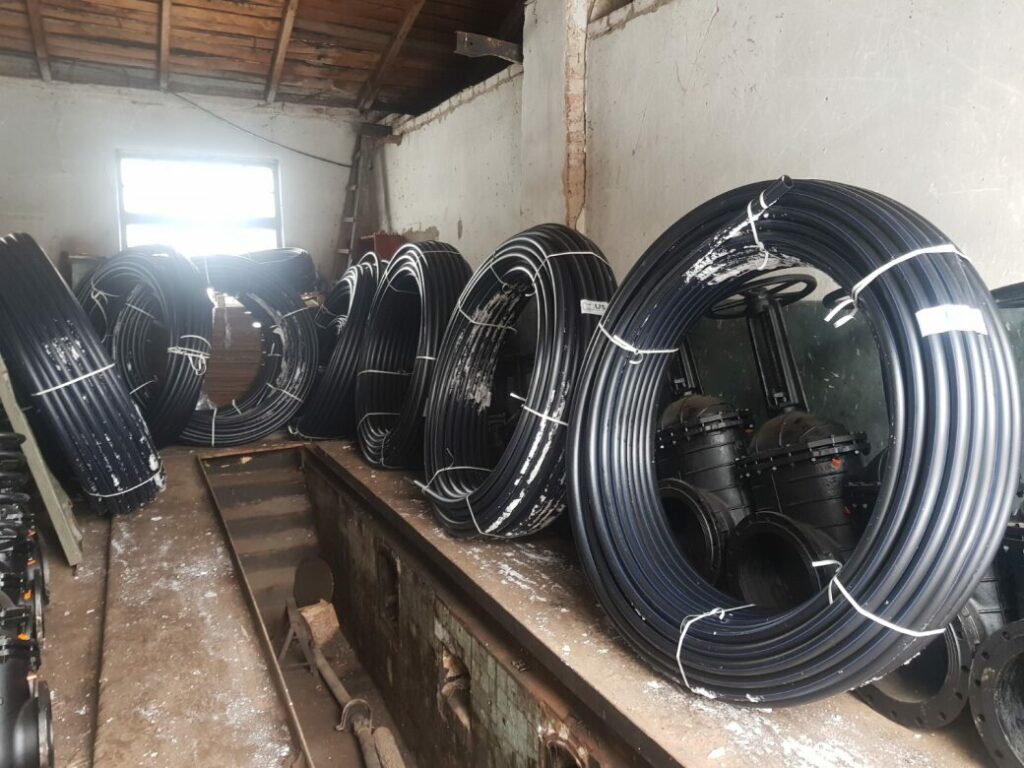
Over the last two months, USAID delivered more than 11 kilometers of metal and plastic pipes, 350 hatches, couplings, taps, valves, elbows, washers, nuts, bolts, compression valves, and other equipment totaling more than USD 149,000. This new equipment will allow the city to replace pipes in key areas. 

“The total length of the town’s pipe network is 210 kilometers, so we will focus first on priority streets in areas with schools, kindergartens and healthcare facilities,” explained Viktor Lekhman, Mayor of Krolevets. “I hope that this year our residents will be drinking clean tap water instead of buying it from grocery stores.”  

Krolevets Vodokanal, the utility responsible for water and sanitation in the city, plans to start the renovation in March or April and finish by the end of summer this year. The estimated cost of the project is USD 986,000. Krovelets plans to use the municipal budget to pay for the first part of the renovation and request the state to fund the remaining work. 

USAID ERA enhances the efficiency of grain transportation in Ukraine

AGRI-Ukraine Export Logistics Support
18 January 2024

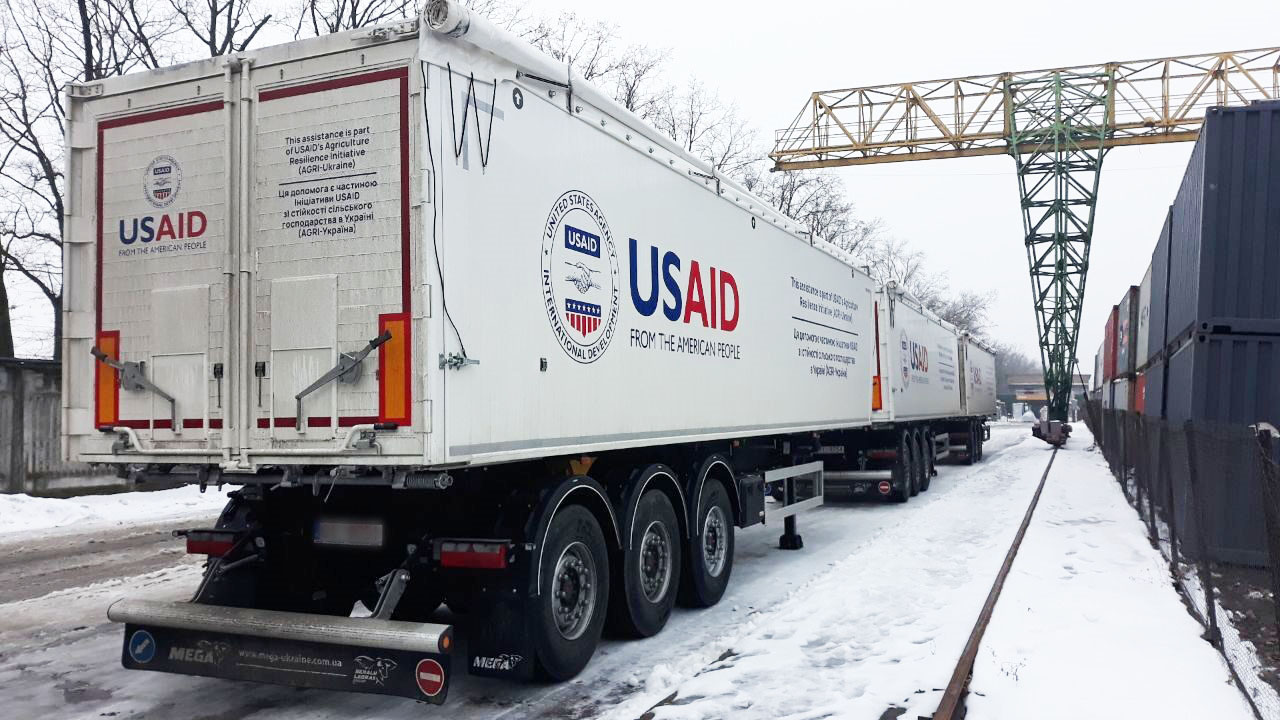
USAID, through its Economic Resilience Activity (ERA), delivered sixteen grain trailers to eight agricultural companies in 2023 and two more in 2024. These modern, lightweight trailers will speed up grain collection and unloading and help increase grain handling by approximately 31,400 tons/year.

As an example, a subsidiary of Astarta-Kyiv received two grain trailers which will increase their annual transshipment capacities by 12,000 tons. At the moment, the company uses trucks for transporting grain and oils from elevators. The new trailers procured by USAID ERA will enable Astarta to transport corn, wheat, rapeseed, soybeans and sunflower seeds to sea and river ports more efficiently.

Furthermore, Phoenix Agro, a service provider of the First Ukrainian Agricultural Cooperation in central and western Ukraine, received four grain trailers from ERA. This equipment will enable them to transport grain from local farms to the transshipment terminal in Cherkasy oblast. From there, the grain is then exported through Ukrainian maritime/river ports and railways. Prior to obtaining their own grain trailers, Phoenix Agro was leasing similar trailers from other companies.

“Now, we will be less dependent on other third parties and we will not be subject to the availability of equipment on market. The trailer we received from USAID can be certified for transportation to Europe, so our company can export its products to European countries and deliver them directly to processing plants” says Olha Vakarchuk, Financial Director of one of the benefitting companies. “We expect that one trailer will allow us to increase export capacities by 5-10%”.

We would like to reiterate that the procurement of equipment is carried out within the framework of the Agriculture Resilience Initiative (AGRI) – Ukraine, implemented by the United States Agency for International Development (USAID). This initiative is aimed at mitigating a global food crisis exacerbated by Russias brutal war against Ukraine

From Crisis to Connectivity: How USAID Enhances Nibulon’s Resilience

AGRI-Ukraine Export Logistics Support
18 January 2024

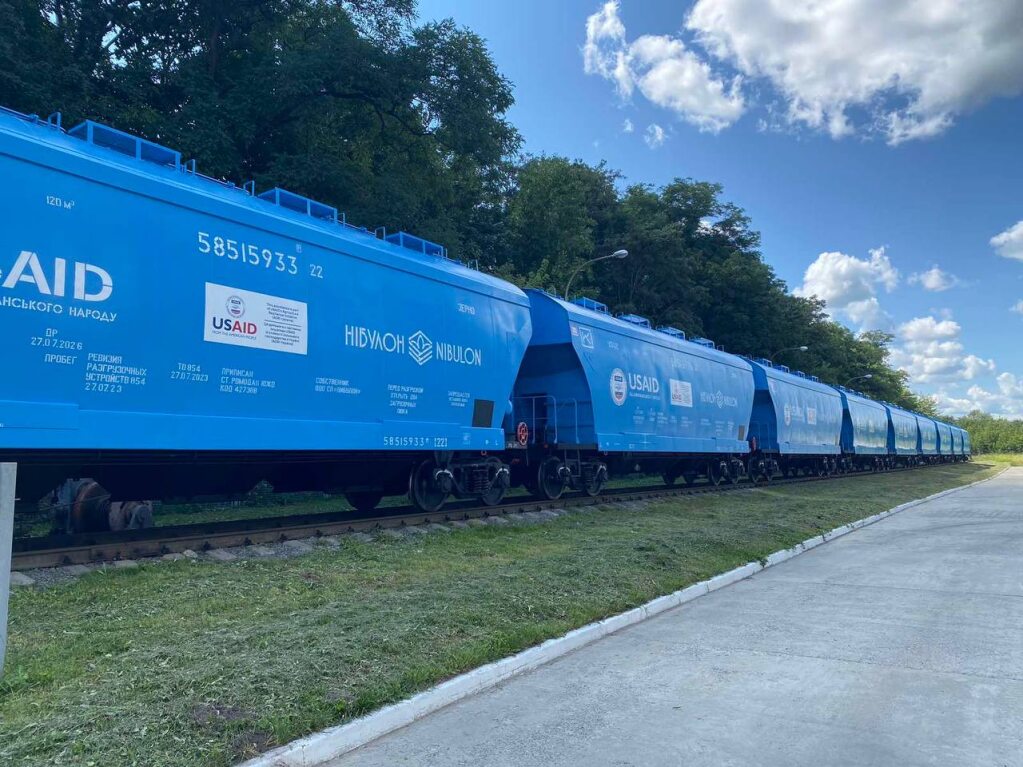
In August 2023, USAID, through its Economic Resilience Activity (ERA), delivered 50 modern hopper wagons to Nibulon, Ukraine’s largest agricultural producer and grain export market leader. In over five months, these wagons have moved nearly 30,000 tons of Ukrainian grain from Nibulon’s blocked elevators to Danube seaports, which was then shipped to 25 countries. In total, the wagons made ten trips on different routes and covered 15,000 km.

Nibulon aims to connect local grain producers to global markets through a network of grain storage and handling terminals interlinked by a central logistics system. Before Russia’s full-scale invasion, Nibulon built 14 grain elevators on the Southern Buh and Dnipro rivers to revive inland river navigation and shipbuilding. However, in 2022, when Russia occupied Kherson Oblast and constantly shelled Mykolaiv, where Nibulon has its main transshipment terminal, nine grain elevators lost access to water and were cut off from logistics pathways. The remaining five were destroyed or ended up in occupied territory. The new logistics strategy relied on a complicated process: grain had to be trucked to the nearest railway station and then transferred onto wagons destined for export via the Izmail port in Odesa Oblast.

One of these blocked river ports, Zelenodolska, is in the village of Mar’yans’ke, which has a storage capacity of 76,000 tons. Before the war, farmers from the surrounding villages brought about 200,000 tons of grain annually to Mar’yans’ke. Since the beginning of the war, Zelenodolska port could not transport grain by barge, so they used trucks to deliver the harvest to the nearest Nibulon’s grain elevator.

N-I-K Farm in the Dnipropetrovsk Oblast, a family business founded in the early 2000s, was among those who sold their harvest to Nibulon and relied on the operation of Zelenodolska grain elevator. “Since 2010, we had been shipping almost all our grain to Nibulon,” recalls Mykhailo Poroslyy, N-I-K Farm founder. “Of course, we were afraid [when the war started] and felt insecure because the ports were blocked. What will happen to exports? Should we continue planting? If so, what exactly?” he added.

With USAID’s support, Nibulon could continue exporting grain by rebuilding its logistics routes and replacing barges with trucks and rail wagons, saving 350 jobs and eliminating additional expenditure for using Ukrainian Railway wagons.

“With the new wagons from USAID, we created an alternative route and transport grain by rail from the blocked river elevators to the Odesa and Danube ports. We can load up to 70 tons in a railcar, compared to 20 tons in a truck. Transporting grain by road is very expensive, and if we had continued to transport grain by truck, the cost to the company would have been higher. That would have affected the purchase price we offered farmers, or we would have had to close the terminals,” says Mykhailo Rizak, Nibulon’s Director of Government Relations.

With 50 wagons from USAID, Nibulon’s fleet has increased to a total of 212 wagons, an increase of 25%. In the future, the company plans to work with over 3,000 farms, export 200-300 thousand tons of grain per month, and contribute over 7% to Ukraine’s total exports next year.

Background: Assistance to agricultural producers and infrastructure companies is part of the Agriculture Resilience Initiative (AGRI) – Ukraine, implemented by the United States Agency for International Development (USAID). It aims to help Ukraine increase its capacity to produce, store, transport, and export grain.
Kernel’s specialists learn modern grain storage technologies 

Increasing Capabilities
Increasing Opportunities
17 January 2024

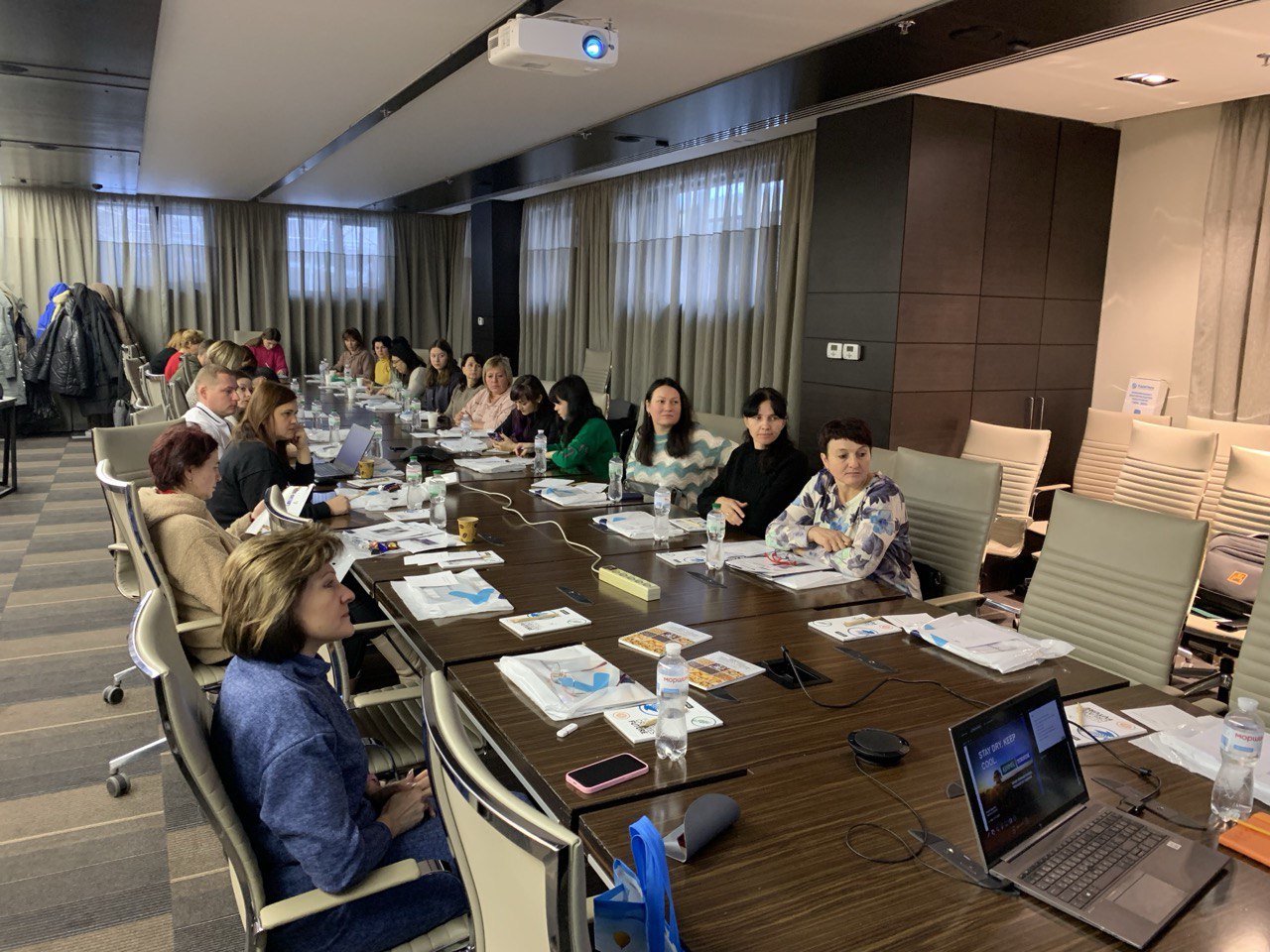
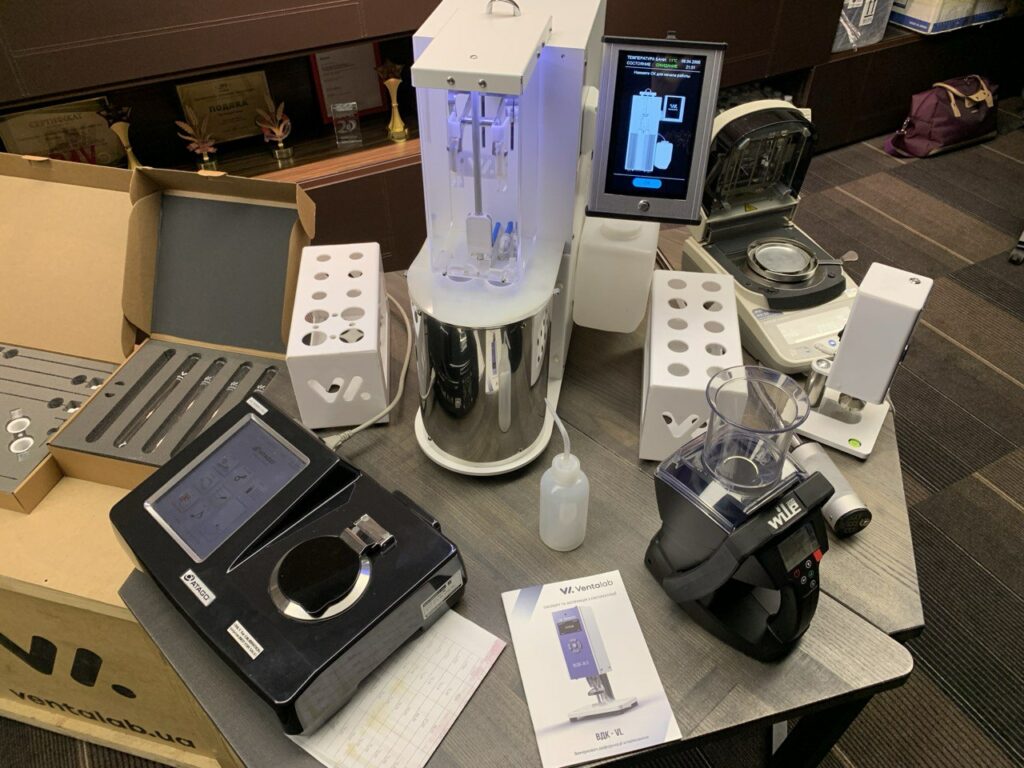
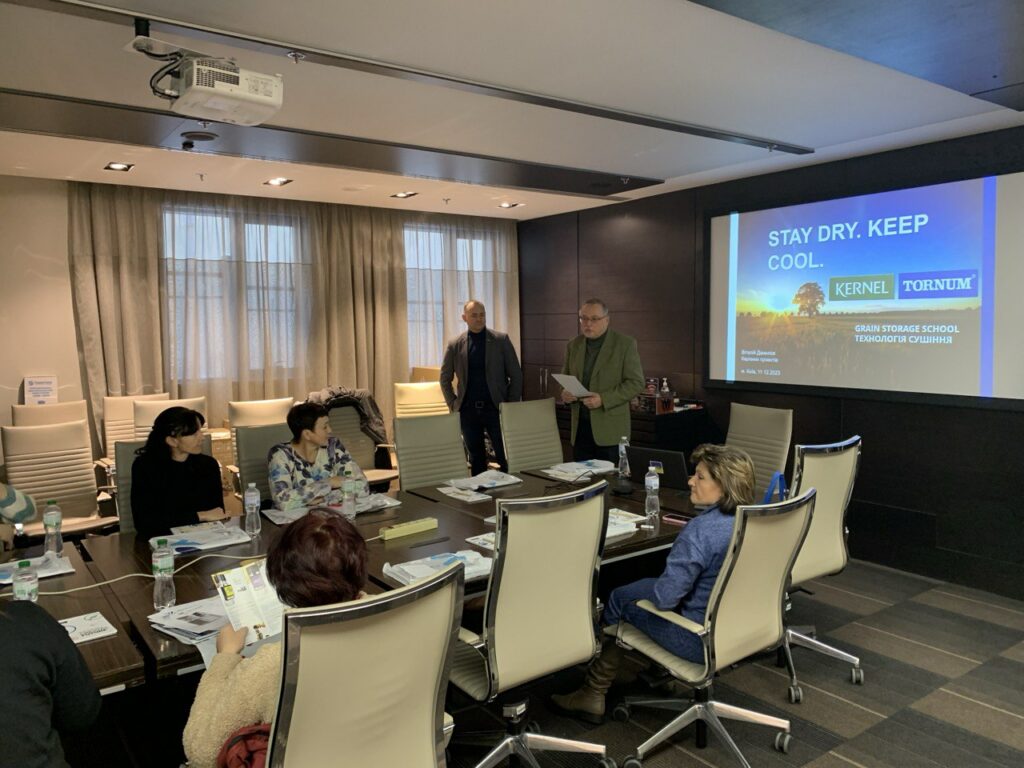
Forty-six of Kernels quality control specialists took part in a modern grain storage training between December 4-15, 2023. The training was facilitated by the experts of National University of Food Technologies and supported by USAID Economic Resilience Activity (ERA). It was held within the framework of “Workforce Development for Ukraine”, a project implemented by the International Development Foundation. Kernel specialists learned how to use modern technologies and equipment correctly. Moreover, they learned how to properly control the quality of grain storage in an elevator.

The training consisted of theoretical and practical review of the following topics: 

  • Grain quality control and storage conditions. 
  • Important questions about quality control during grain unloading and storing. 
  • Sampling and preparation of grain samples for analysis including, sampling techniques, and understanding the differences between using the automatic and manual sampling dipsticks. 
  • Setting general quality parameters of grain and seed material. 
  • Technology of long-term grain storage. 

Special features, approaches, and temperature monitoring. Risks of grain deterioration during storage, main aspects of quality alteration. 

We are sincerely grateful for the opportunity to participate in the training for specialists of grain laboratories and elevators. The training was very important, interesting, and motivating. USAID ERA helped our employees develop existing knowledge, learn new information about modern control methods, uptodate laboratory equipment, global quality, and food safety requirements. Also, it was very useful to hear competent answers from experts of the harmonization and correlation between the state standards of Ukraine and international standards. The training motivated elevator specialists to promote food safety in Ukraine and other parts of the world.” says Maryna Tiunova, Head Quality Control Specialist of Kernel. 

In total, 2,000 employees will be trained within the framework of Workforce Development Project according to the plan by June 2024. This number includes specialists of manufacturing companies and personnel of educational institutions, who train specialists for Ukrainian economy. 

Environmental Officer

16 January 2024

Lviv/Kyiv/Odesa

Since 2018, USAID Economic Resilience Activity (ERA) has focused its activities on eastern Ukraine. In 2022, it expanded its geography of cooperation to other regions due to Russia’s full-scale invasion and occupation of part of Ukraine. In 2023, given the military and political circumstances and challenges, the U.S. Agency for International Development (USAID) changed ERA’s priorities.

ERA is one of the implementers of the U.S. Government’s Interagency Agriculture Resilience Initiative – Ukraine (AGRI – Ukraine), which aims to support Ukrainian agricultural production and exports and help address the global food crisis exacerbated by Russia’s brutal war against Ukraine. USAID supports the Government of Ukraine, including working with state- and private owned companies, namely the State Agency for Restoration and Development of Infrastructure of Ukraine (SARDI), the State Customs Service, the State Border Guard Service through ERA, to modernize border crossing points (BCPs) to improve grain trade and exports, and perceptions of Ukraine. ERA is also implementing the Economic Stability and Recovery Initiative (ESRI), which focuses on job retention and creation and assists small and medium-sized enterprises.

USAID ERA prioritizes work on AGRI and rehabilitating EU-facing border crossing points. The AGRI component is extending its technical assistance to Ukrainian Agri-traders and logistics companies supporting them in increasing capacity and potential of grain export logistics. The BCP component includes complex construction management and procurement of equipment and service for BCPs to become more efficient in processing bulk cargoes and other commodities through the border.

About the job

The Environmental Officer is a key member of the Environmental Compliance Team and plays a pivotal role in assuring adherence to environmental policies and regulations, environmental controls, and reporting systems. The Environmental Officer will invest in providing environmental analysis support to the technical team and ensure the preparation of environmental assessments for project activities and interventions. The Environmental Officer supports field examinations, reports on environmentally hazardous locations and materials, and maintains environmental documentation related to Agricultural and BCP projects. The Environmental Officer works in close coordination with the AGRI and BCP technical staff to ensure environmental assessment for AGRI- and BCP-related interventions. The Environmental Officer will report to the Senior Manager for Environmental Compliance and be based in Lviv or Kyiv or Odesa.

Responsibilities and Duties:

Environmental Assessment for AGRI-Ukraine activities:

  • Coordinate and review testing and analysis of potential environmental hazards;
  • Support the AGRI-Ukraine program, ensuring environmental compliance of activities and interventions;
  • Monitor project environmental impact and report on compliance with USAID environmental policy;
  • Oversee and monitor field implementation of environmental mitigation measures;
  • Ensure submission of required internal environmental documentation related to AGRI-Ukraine projects to the DAI ‘s experts based in headquarter and coordinate with them further documentation preparation process;
  • As required, coordinate environmental training and technical assistance;
  • Undertake additional actions required by the Deputy Chief of Party to ensure compliance with USAID and Ukraine environmental regulations policies;
  • Perform other tasking as directed by the ERA senior management.
  • Participate in evaluation of environmental risks of proposals submitted by subcontractors, grantees, or beneficiaries in line with their reliability and ability to achieve the goals with focus on safely export of Ukraine’s agricultural products; The Black Sea ports are the most commercially viable to ensure that Ukraine’s agricultural products can be cost-effectively transported to food insecure countries around the world.
  • In coordination with Big Infrastructure Lead, work to ensure that AGRI-Ukraine activities are aligned with the USAID ERA’s environmental compliance standards;
  • Conduct site visits to assess subcontractors, grantees, or beneficiaries’ environmental compliance, provide guidance on environmental hazards mitigation;

Communication:

  • In close collaboration with the Director for Communication and Change Management, represent ERA in a professional manner to the key audiences;
  • Proactively engage with target communities to identify opportunities to promote environmental attentiveness of the local communities.

Monitoring & Evaluation:

  • Manage activities to implement workplan at improving ERA’s indicator for environmental compliance;
  • Coordinate with MEL team regular data collection, its progress, relying on innovative data gathering methods when appropriate;
  • Capture the output and outcome level data, document and report the results in timely manner.

Reporting:

  • Compile the Environmental Compliance reports for the ERA management on a regular basis;
  • Oversee Environmental Compliance of the awards through the review of reports, correspondence, site visits, etc.
  • Prepare accurate and timely progress reports on a quarterly basis and contribute to preparation of annual reports;
  • Perform other duties as assigned by the DCOP and COP.

Job Expectations

In this position, you are expected to share the DAI four core values:

  • Integrity: commit to civil and ethical behavior, play by the rules, and do the right thing;
  • Responsibility: be accountable to clients, partners, grant recipients, beneficiaries, colleagues, and communities where we work. If you fall short, you own up, fix the problem, and get it right the next time;
  • Excellence: adhere to the highest technical and professional standards in innovation, learning, and service;
  • Global Citizenship: respect the cultural diversity and treat everyone everywhere with professionalism and dignity to make the world a better place.

About you

  • Advanced degree in Ecology, Environmental Management, or relevant field;
  • Experience in Ukrainian environmental and technical compliance procedures for Agricultural and agricultural products processing enterprises;
  • Minimum 5 years of relevant professional experience;
  • Work experience with international companies or donor-funded projects preferred;
  • Spoken and written fluency in English and Ukrainian is a must;
  • Experience producing technical reports and managing data;
  • Demonstrated ability to work and coordinate effectively with a wide variety of stakeholders.

WE OFFER

Contract length: 12-month employment agreement with a possibility of extension.

Benefits Package:

  • 28 calendar days of annual leave
  • 10 days of internal well-being paid leave per annum
  • Medical Insurance for ERA staff and their families
  • Life Insurance for ERA staff
  • Coverage of all expenses for the business trips
  • Military reservation is possible and granted if you are on a relevant military register

Start date: February 2024

Application process

All applicants must send a cover letter and updated CV (no longer than four pages) in English to ukraine@dai.com.

All qualified applicants will receive consideration for employment without regard to race, color, religion, sex, sexual orientation, gender identity, national origin, disability, age, or status as a protected veteran.

Closing date for applications: January 30, 2024.

For further information about DAI GLOBAL LLC, please consult our website era-ukraine.org.ua.

USAID helps ukrainian manufacturers operate during wartime

AGRI-Ukraine Export Logistics Support
12 January 2024

In 2023, USAID ERA purchased various equipment for agricultural companies to help enhance their grain export capacities. USAID ERA supports Ukrainians businesses two-fold; first by supporting agricultural companies increase their exporting capacity with equipment and secondly by increasing Ukrainian equipment manufacturers’ business opportunities. The procured machinery is manufactured by Ukrainian companies for local agricultural exporters.

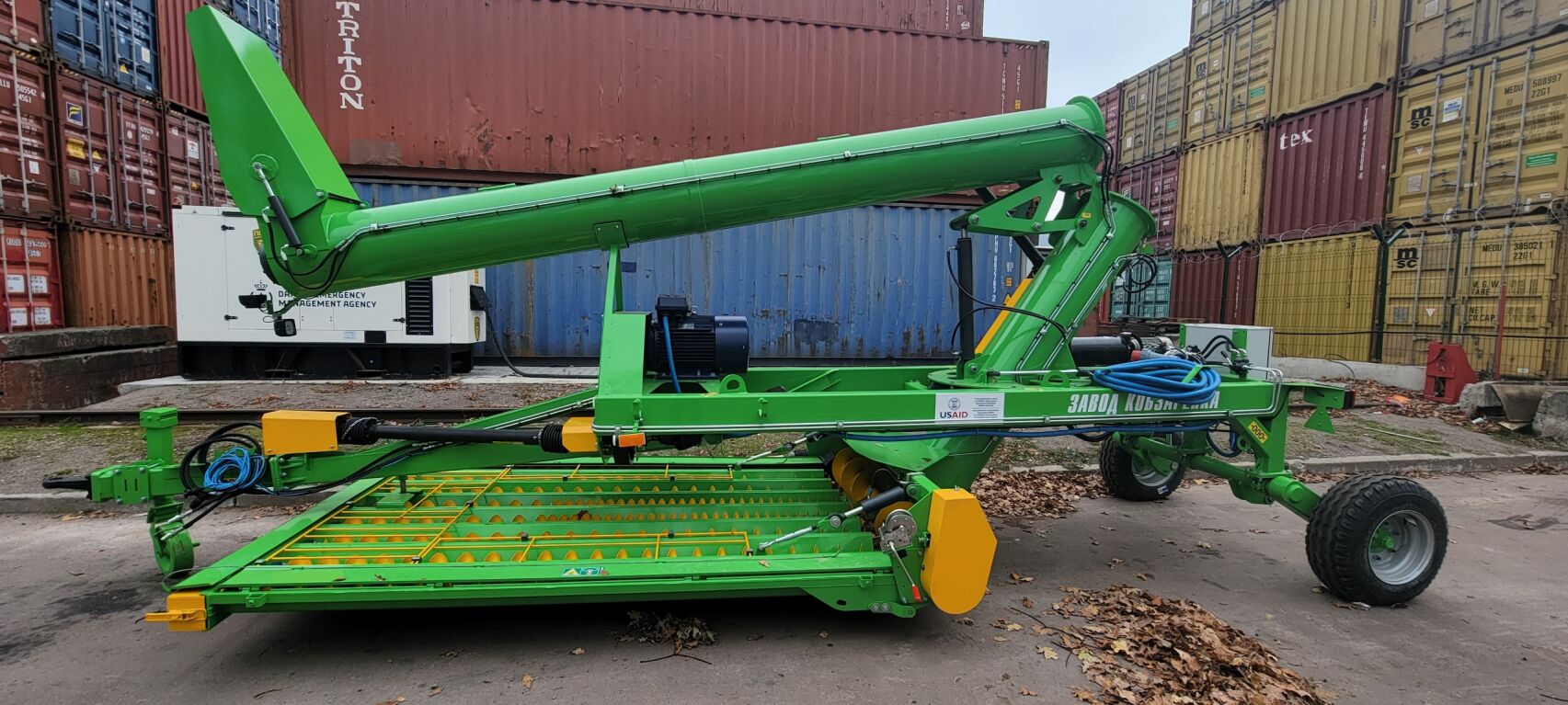
In particular, USAID ERA purchased two mobile railcar unloaders (MRU) and two Kovcheg ground transshipment bunkers from Kobzarenko Plant LTD. This mechanical engineering company has production facilities near Sumy, Ukraine, and in Poland. Kobzarenko Plant has 30 years of experience in manufacturing tractor trailers and various other agricultural equipment. Currently, the company produces over 200 different machines and devices.

“Our plant produces modern powerful machinery which is in high demand among agricultural companies”, says Yevheniy Khrystenko, Head of Sales Department of Kobzarenko Plant. He continues, “last year, we sold six machines to USAID ERA. We receive a lot of orders from agricultural exporters. As a manufacturing company we constantly communicate with people in agricultural industry, and we listen to their suggestions. It helps us to improve our products.”

The number of orders for Kobzarenko Plant’s MRUs has risen ten times since the beginning of Russia’s full-scale invasion of Ukraine. The increase was a result of Russia’s attempts to block the Black Sea transportation routes. The agricultural exporters started using railway routes, ergo MRUs, to transport grain and export them into European countries.

“Before 2021, Kobzarenko Plant was selling  up to ten MRUs each year. When the full-scale invasion began, agricultural exporters could no longer use the Black Sea routes. Many of them shifted to railways. Thus, the demand for these machines went up. The unloading capacity of each MRU is 180 tons per hour, i.e.  three railcars per hour. But in reality, these figures are reduced by two thirds, as the machine needs to be moved and then repositioned at the next railcar. As a result, MRU unloads one railcar per hour.  In 2022, we sold 116 such MRUs” says Yevheniy Khrystenko.

USAID ERA has also procured Kovcheg ground transshipment bunkers for its partners. This machinery allows grain loading from grain trucks directly to hopper cars, because the auger is 5.5 meters long. These machines were popular even before the full-scale invasion, andtheyarein even higher demand now.

“We are very grateful for receiving these orders during wartime. It helps our company to retain personnel and pay salaries. The more orders we get, the more powerful Ukrainian economy becomes”, says Mr. Khrystenko.

Presently, the 700 employees work at the Kobzarenko Plant. 150 workers were drafted to the Armed Forces of Ukraine.

We would like to reiterate that the procurement of equipment is carried out within the framework of Agricultural Resilience Initiative (AGRIUkraine) implemented by U.S. Agency for International Development in order to mitigate the global food crisis exacerbated by Russia’s brutal war against Ukraine

Read more about the Initiative: https://www.usaid.gov/…/agriculture-resilience…