USAID ERA is Enabling Zlata Trade to Optimize its Export Operations 

AGRI-Ukraine Export Logistics Support
29 November 2023

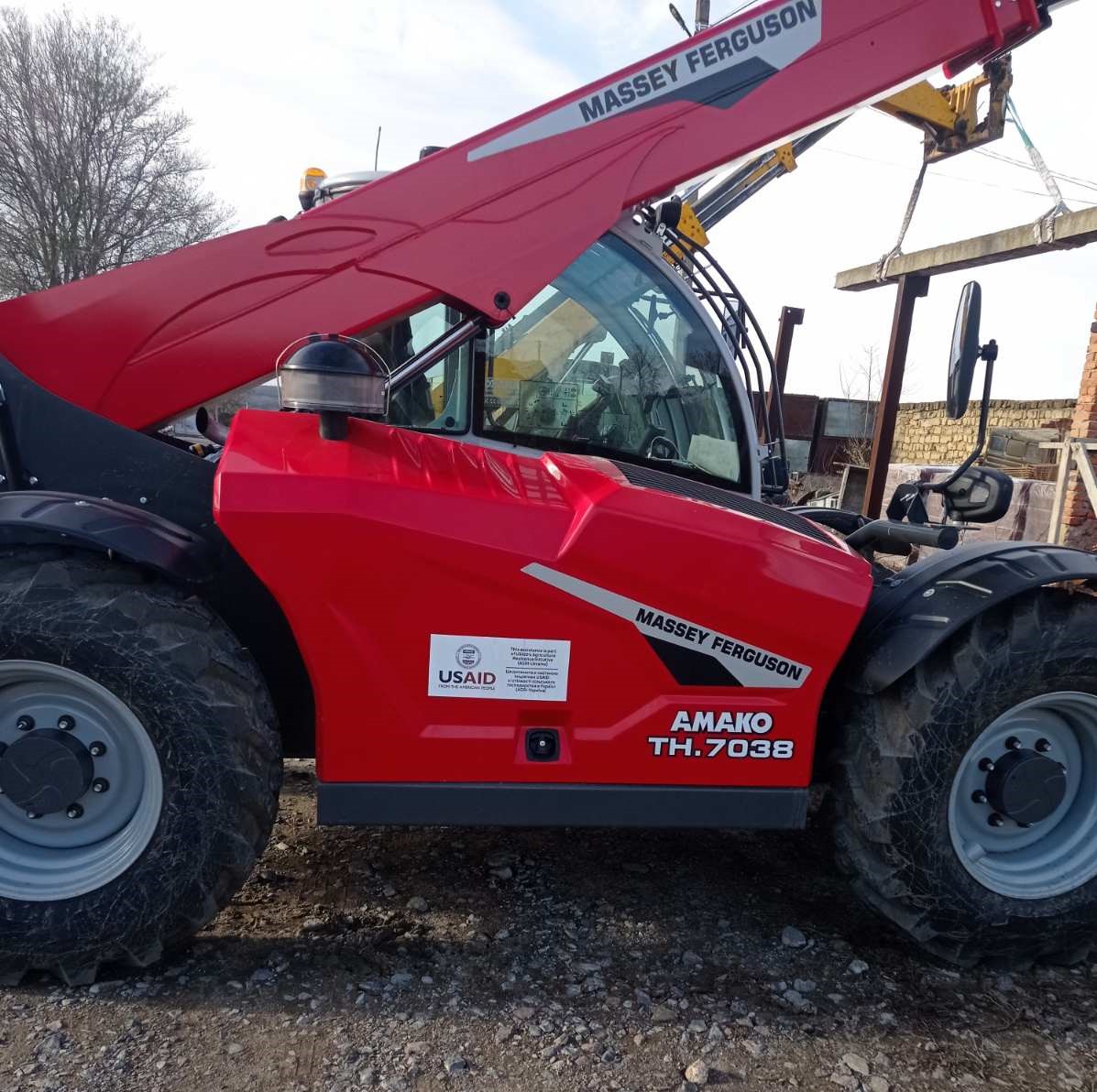
USAID, through the Economic Resilience Activity (ERA) purchased and delivered a front-end telescopic loader fto the agricultural products trader Zlata Trade, whichoperates in southern and central Ukraine. This equipment will enable Zlata Trade to optimize the operation of one ofits (grain) elevators. 

According to the company’s estimates, operating the telescopic loader will increase its grain shipments by 500 tons per day. 

Zlata Trade currently uses loaders that are over 15 years old in its elevators. When this equipment breaks down – which happens frequently and unpredictably it affects the entire supply chain. The new telehandler provided by USAID will therefore help to ensure the stable operation of the elevator, and sustain its grain trade.  

Background: Assistance to agricultural producers and infrastructure companies is under the Agriculture Resilience Initiative (AGRI) – Ukraine, implemented by the United States Agency for International Development (USAID). It aims to help Ukraine increase its capacity to produce, store, transport, and export grain.    

USAID ERA is working on improving Ukraine’s border crossing points

Modernization of the BCPs
28 November 2023

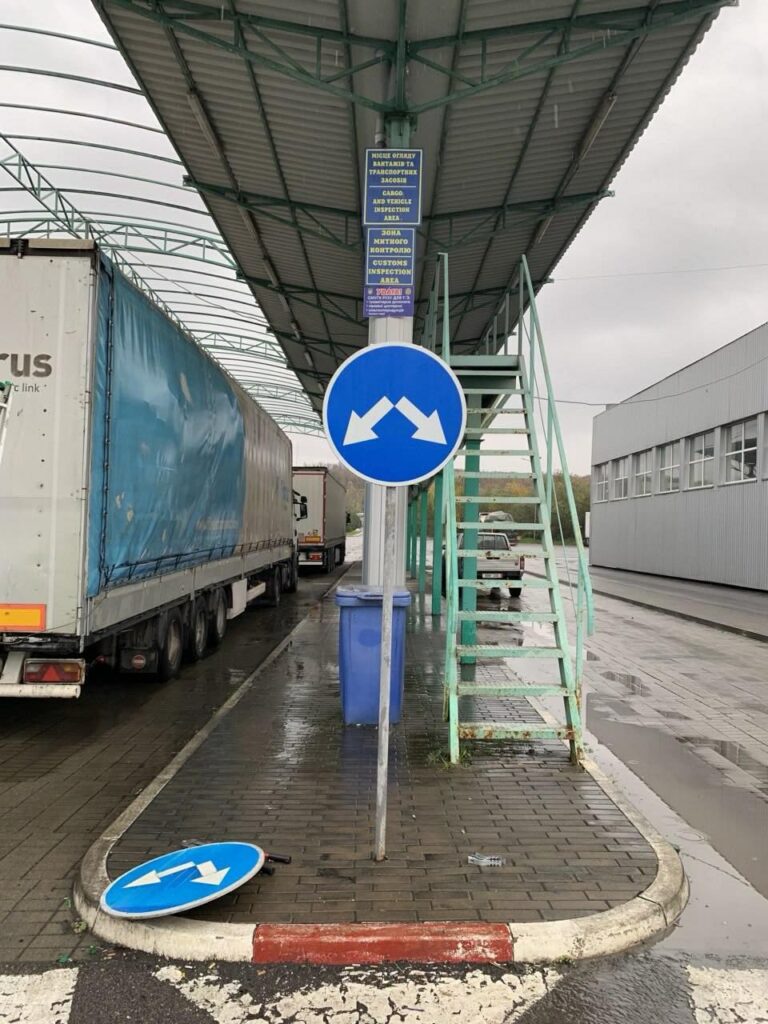
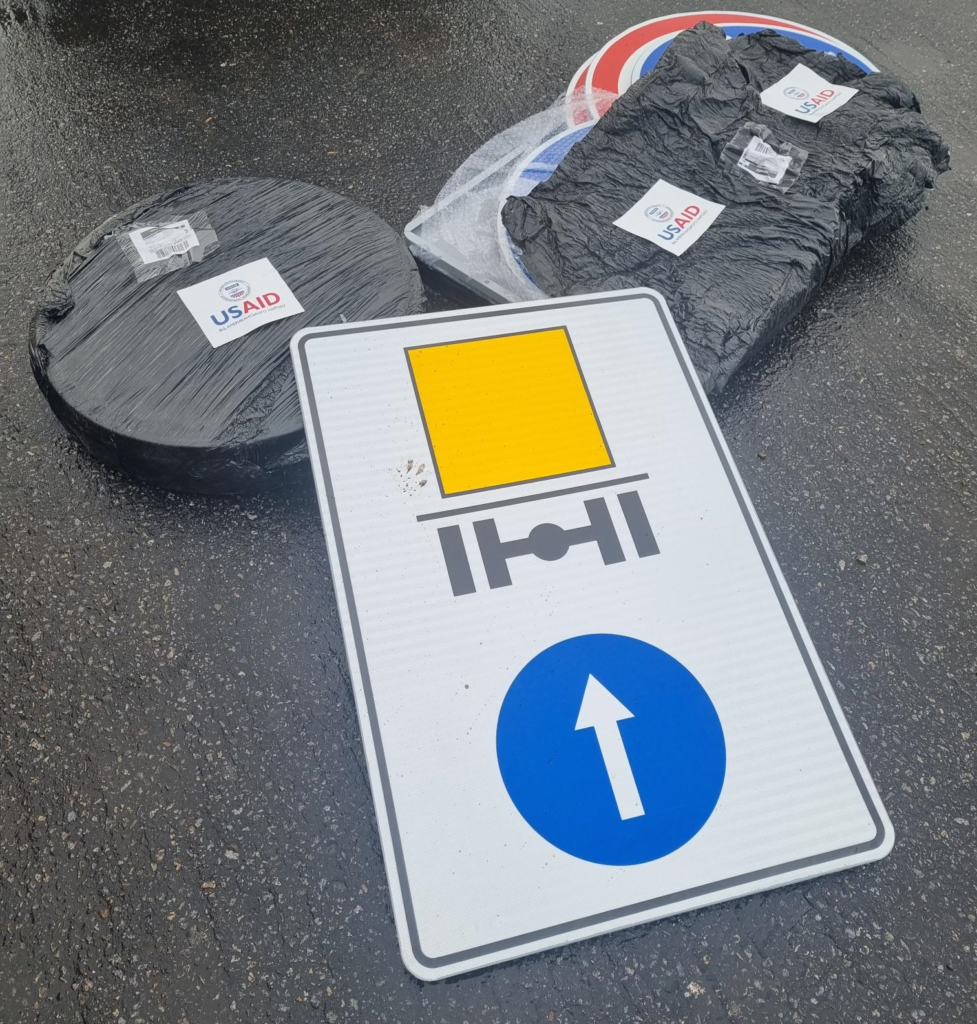
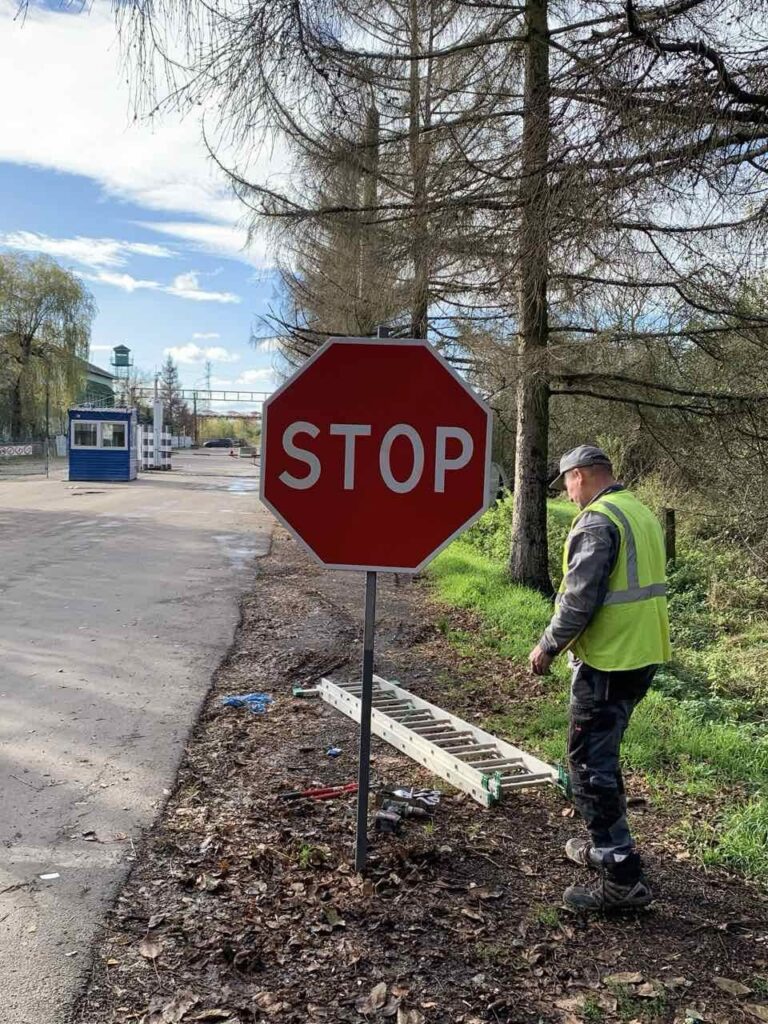
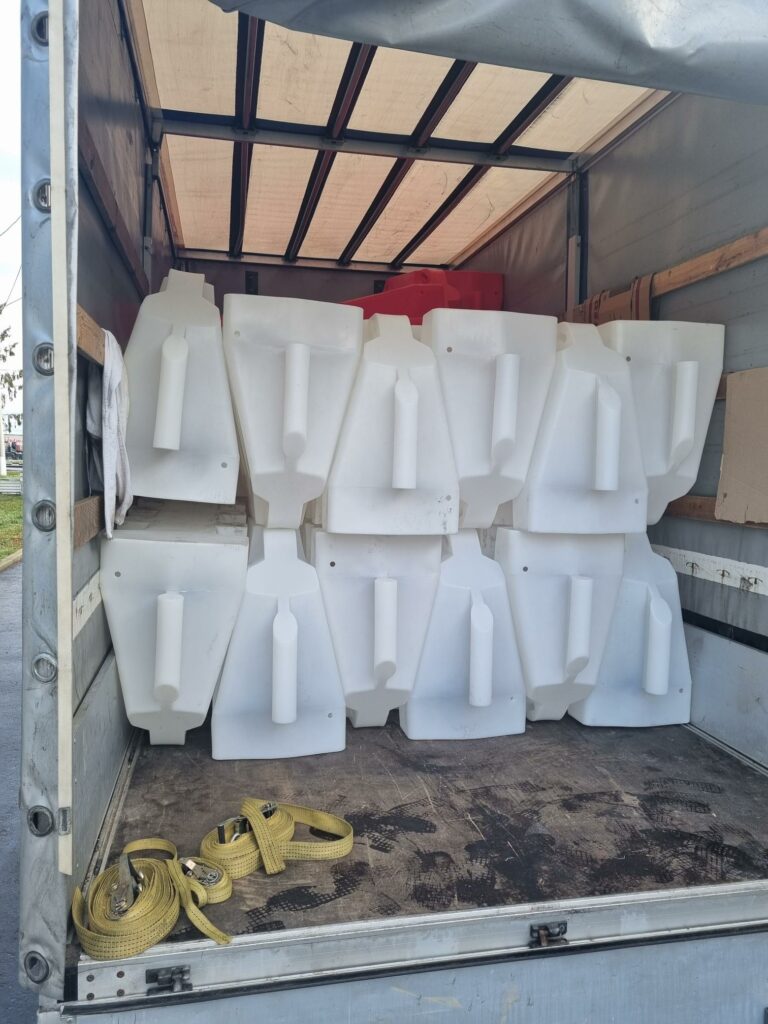
USAID, through the Economic Resilience Activity (ERA), has delivered three 1-ton scales and 312 water filled road barriers, as well as installed 452 road signs, at four border crossing points (BCPs) on the borders with Poland, Romania, Slovakia, and Hungary. 

The delivered equipment is part of the rapid modernization of the BCPs, and is aimed at increasing the operational efficiency of the BCPs to improve cargo transportation logistics, thereby increasing trade volumes, grain exports, and overall transportation flows. 


Next, USAID ERA will install 30 recycling trash bins (waste sorting containers) at one of the BCPs in a move towards fostering environmental responsibility and resource recovery, in alignment with established practices in Europe. 

Between 2023-2026, USAID, through the Economic Resilience Activity (ERA), is dedicating $115 million to support the State Agency for Restoration and Development of Infrastructure of Ukraine (SARDI), Ukrainian Railways (UZ), and State Customs Services, to upgrade border crossing points (BCPs) to improve grain trade and export volumes, and passenger traffic.     

AGRI Procurement Manager

27 November 2023

Kyiv

Since 2018, USAID Economic Resilience Activity (ERA) has focused its activities on eastern Ukraine. In 2022, it expanded its geography of cooperation to other regions due to Russia’s full-scale invasion and occupation of part of Ukraine. In 2023, given the military and political circumstances and challenges, the U.S. Agency for International Development (USAID) changed ERA’s priorities.

ERA is one of the implementers of the U.S. Government’s Interagency Agriculture Resilience Initiative – Ukraine (AGRI – Ukraine), which aims to support Ukrainian agricultural production and exports and help address the global food crisis exacerbated by Russia’s brutal war against Ukraine. USAID supports the Government of Ukraine, including working with the State Agency for Restoration and Development of Infrastructure of Ukraine (SARDI) and the State Customs Service, through ERA, to modernize border crossing points to improve grain trade and exports, passenger traffic, and perceptions of Ukraine. ERA is also implementing the Economic Stability and Recovery Initiative (ESRI), which focuses on job retention and creation and assists small and medium-sized enterprises.

USAID ERA prioritizes work on AGRI and rehabilitating EU-facing border crossing points (BCPs). The AGRI component is extending its technical assistance to Ukrainian Agri-traders and logistics companies supporting them in increasing capacity and potential of grain export logistics. The BCP component includes complex construction management and procurement of equipment and service for BCPs to become more efficient in processing big cargos of grain and other commodities through the border.

About the job

The AGRI Procurement Manager is a key member of the AGRI Procurement Team and plays a pivotal role in ensuring integrity, fairness, and openness in procurement processes as well as adherence to policies, procedures, and controls. The main responsibility for this position is to oversee and conduct the procurement of services. The position requires relevant work experience in the field of procurement and contracting across a variety of industry sectors, contract management, dispute resolution, managing interpersonal relationships and communication, and investigating/following up on vendor issues, as well as knowledge of the Federal Acquisition Regulations (FAR). The AGRI Procurement Manager will be responsible for overseeing and ensuring that complete procurement-related backup documentation is provided prior to submission to Finance Team. This team member will oversee solicitations and price/cost/reasonability analyses and perform any other related duties as assigned. The position requires relevant work experience in the field of large-scale procurements of sophisticated equipment. The AGRI Procurement Manager reports to the AGRI and BCP Procurement Director and is located in Kyiv.

RESPONSIBILITIES:

  • Liaise with AGRI Program staff to ensure any requirements for procurement support are identified approved and procured in a timely, well-documented and cost-efficient manner. Implement an annual planning process to streamline repetitive procurement of goods to increase competitive tendering and internal processes
  • Monitor and track procurement activities and delivery status of goods/services.
  • Ensure complete backup documentation for procurement purchases is submitted to AGRI and BCP Procurement Director and Finance Team
  • Perform regular spot audits of procurement files to ensure completeness, accuracy, and compliance
  • Participate in external or internal audits as necessary
  • Ensure integrity, fairness, accuracy, and openness in procurement processes
  • Ensure DAI/USAID and FAR policies, and procedures are followed and enforced
  • Enforce use of DAI’s operations & procurement system (TAMIS), etc.
  • Maintain electronic procurement records & files in various DAI system platforms
  • Manage solicitation bids and quotes from vendors in adherence with policies & approved requisitions and quarterly procurement plans
  • Oversee, monitor, track and expedite all project procurement activities and delivery status of goods/services
  • Ensure pricing information is accurate and aligns with acquisition policies
  • Conduct price/cost/reasonability analyses
  • Review requisition documentation, cost estimates, statements of work, etc.
  • Help non-procurement staff understand the requirements for submitting accurate and thorough requisitions, cost estimates, statements of work, or determine other technical specifications
  • Determine source selection methods for complex procurement to ensure compliance
  • Prepare cost evaluation data, and source selection documentation.
  • Through market research efforts, identify and qualify potential suppliers (and products/services)
  • Ensure that beneficial, ethical, and open supplier relationships are created and maintained according to procurement policies
  • Maintain procurement file system in DAI’s system
  • Help maintain an up-to-date list of providers by obtaining and organizing supporting documentation on activities
  • Effectively serve as a liaison between the program team and the financial team to provide the documentation necessary to issue the payments related to the activities.

About you

  • BA or Specialist degree or equivalent in Logistics, Management, Economics.
  • Minimum of 3 years’ experience in logistics and/or procurement.
  • Experience in procurement of equipment for transshipment of agricultural products may be an asset.
  • Strong knowledge of grain and bulk cargo export procedures may be an asset.
  • Strong knowledge of multi-modal transportation (truckload, intermodal, railcar, less-than-truckload) market including suppliers, industry information and key cost drivers may be an asset.
  • Experience proactively engaging internal and external partners to identify and define potential opportunities and issues.
  • Excellent communications and personnel management skills and ability to relate to people at all levels of an organization and of different multi-cultural backgrounds.
  • Well-organized and self-directed individual with sound technical skills, analytical ability, good judgment, and strong operational focus. Excellent organizational skills with a willingness to take initiative and be proactive.
  • Proven integrity and ability to adhere to the rules, honor commitments, and meet the spirit as well as the letter of those commitments, stand up for what is right.
  • Strong time management skills, capability to manage time effectively and maintain control of all current project responsibilities, follow-up requests in a timely manner.
  • Ability to manage and prioritize multiple responsibilities and respond effectively to the most sensitive inquiries or complaints; experience with enterprise accounting software, and Microsoft office suite; demonstrated knowledge of internal controls and processes.
  • Experience with USAID-funded projects is preferable.
  • Fluent in English and Ukrainian are mandatory, both written & spoken.

WE OFFER

Contract length: 12-month employment agreement with a possibility of extension.

Benefits Package:

  • 28 calendar days of annual leave
  • 10 days of internal wellbeing paid leaves per annum
  • Medical Insurance for ERA staff and their families
  • Life Insurance for ERA staff
  • Coverage of all expenses for the business trips
  • Military reservation is possible and granted if you are on a relevant military register

Start date: January 2024

Application process

All applicants must send a cover letter and updated CV (no longer than four pages) in English to ukraine@dai.com

Closing date for applications: December 18, 2023.

For further information about DAI GLOBAL LLC, please consult our website era-ukraine.org.ua.

Ukrainian farmers contribute to global food security 

14 November 2023

Russia’s blockade of sea and river ports during the full-scale invasion jeopardized the transport of food from Ukraine to world markets. 

The Ukrainian agricultural company Nibulon was also impacted by this blockade. The company had built 14 river ports from which they delivered grain to different parts of the world, nine of which are still blocked, while the rest are destroyed or still temporarily occupied. 

The farmers who work near these river ports and used them to transport their grain were severely impacted by this situation. They had lost their income, as Nibulon, which is one of Ukraine’s largest agricultural producers and exporters, could not export grain to buyers in different markets of the world.  

In Kremenchuk is one of Nibulon’s blocked river ports. Previously, grain was taken from it by barges along the Dnipro River, but now it is taken by railroad cars and trucks. Hundreds of farmers bring grain here. 

One of those from whom Nibulon buys wheat and corn is Oleksandr Kovalchuk, owner and manager of the Syroty farm. For more than 20 years, he has been growing grain in Oleksandriia Raion of Kirovohrad Oblast. This year, he has already harvested wheat on 665 hectares of land and will start harvesting corn in a week. The farmer sells 80% of his harvest to Nibulon.  

“When the war broke out, the Nibulon branch that buys grain from me and other farmers did not work for some time. There was no understanding whether Ukraine would export grain or whether agricultural exporters would buy grain from us at all, the future of grain export from Ukraine was unclear ” says Kovalchuk. 

It was in the midst of such a situation that the USAID Economic Resilience Activity (ERA) helped to implement an alternative solution. At Nibulon’s request, USAID ERA purchased 50 modern hopper wagons, each of which can transport up to 70 tons of grain at a time. They were manufactured at the Karpaty Research and Mechanical Plant (in Lviv Oblast). 

It is due to USAID ERA’s support, that one of Nibulon’s nine blocked river terminals has become fully profitable. The 50 hopper wagons can transport 10,000 tons of grain per month, which provides the 120,000 tons of transshipment needed to maintain the elevator’s profitability per year. 

Currently, Nibulon uses these railcars to transport grain from blocked river ports to the Danube ports by rail, then transfers it to barges and transports it to 25 countries worldwide. 

The reopening of the Kremenchuk branch was good news for farmer Kovalchuk: 

“This is very important to me because it is the main source of income for my family, my employees and other shareholders. I use it to pay taxes and help solve municipal problems in my village if necessary. This year, we have already sold over 760 tons of grain – wheat and corn. This is good grain, it is of the 3rd class. This means that the grain can be used for baking bread.” 

Kovalchuk has his own grain storage facilities, where he stores his harvest and waits for the price of grain to rise slightly, as it is usually at its lowest during the harvest season. The welfare of 150 other families from whom he rents shares depends on the success of his business. 

“For those land owners from whom I rent shares, this is the main source of income. So, they are always waiting to receive money or grain for their (land plot) shares. I am very comfortable working with Nibulon, as they have a modern laboratory where they analyze grain for quality, there are usually no queues for grain acceptance at the branch, and I receive payment for grain on time. This is about consistency in work and reliability of partners,” says the Kovalchuk. 

He also runs a mill, grinding grain into flour and churning sunflower oil for the villagers. The prices for these services are much lower than market prices, as this is his social service to help people survive in these difficult times. 

From August 2023, when Nibulon received the first railcars from USAID ERA, to the end of September 2023, they already transported more than 13,000 tons of grain. Additionally, river port personnel have secured their jobs – thanks to the creation of an alternative route using railcars – the company has saved 592 jobs. Nibulon continues to maintain international contacts to supply grain to global markets. All this impacts global food security. As the world marks World Food Day on October 16, Ukraine once again proves its global importance in the food supply chain despite the war and all the challenges it poses. And farmer Kovalchuk plays an important role in this. 

Water filtration systems installed in towns near the frontline in Donetsk Oblast 

14 November 2023

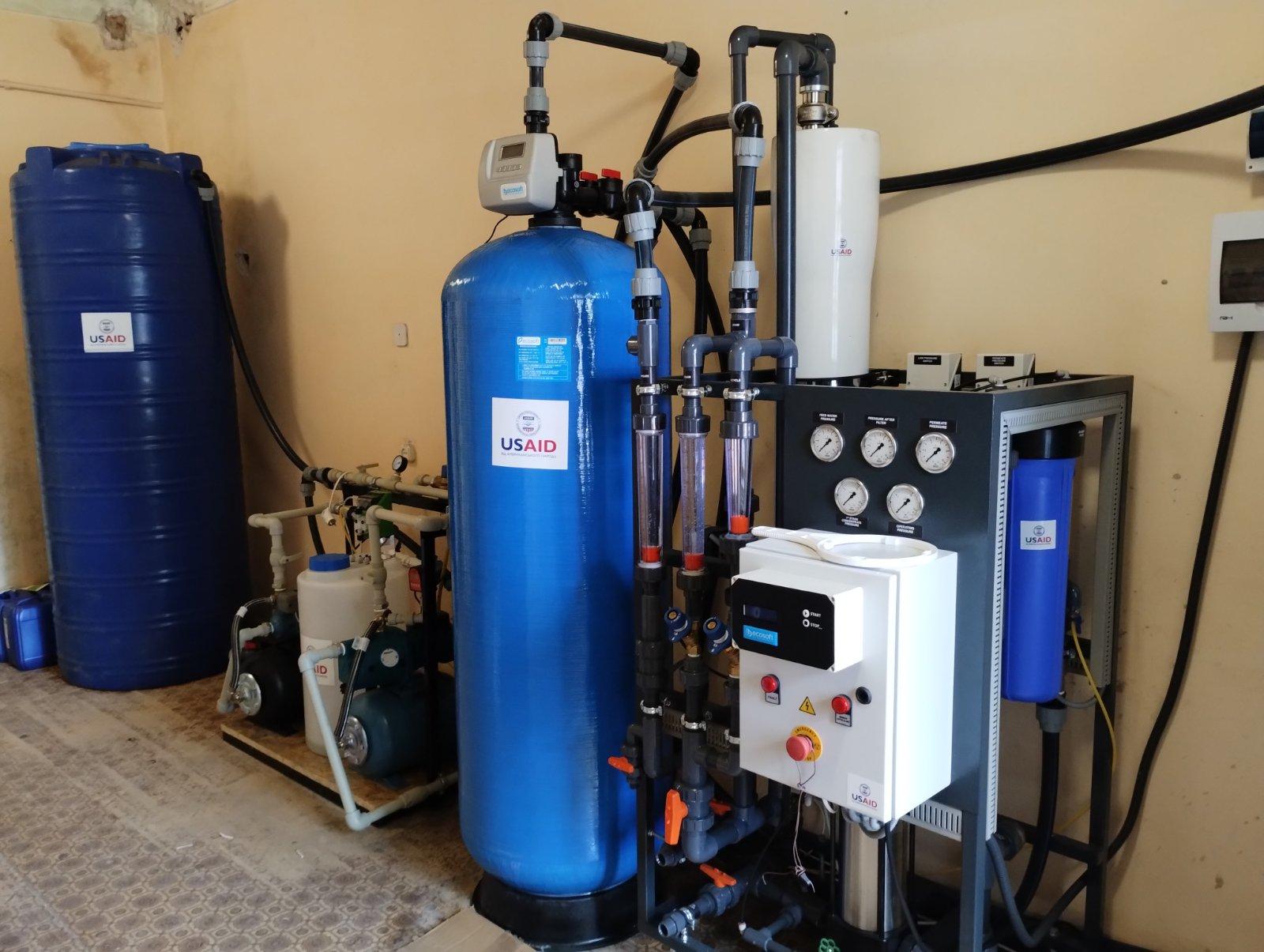
USAID Economic Resilience Activity has purchased and installed water purification equipment to meet the needs of residents of towns located near the frontline in Donetsk Oblast. The two filtration stations have been installed at prepared wells. 

Each station cosnsist of pumps, water reservoirs (of 1,000 liters each), additional filters, and reverse osmosis systems. 

After the well was connected to the filtration station, the water was analyzed by the laboratory of the of the “Voda Donbasu” (Water of Donbas) company, and they concluded that it is suitable for consumption, clearing the way for residents to begin using the water. 

A lot of towns and villages in Donesk Oblast do not have access to a central water supply as water pipes are worn out or damaged from artillery attacks by Russia’s forces. These local residents suffer from disruptions of water supply and forced to buy drinking water, take it from unsafe) wells, or wait till the State Emergency Service bring it. As such, the filtration stations are vital in providing people with access to drinking water. 

USAID Economic Resilience Activity procures truck scales to support Ukrainian agricultural exporters 

AGRI-Ukraine Export Logistics Support
14 November 2023

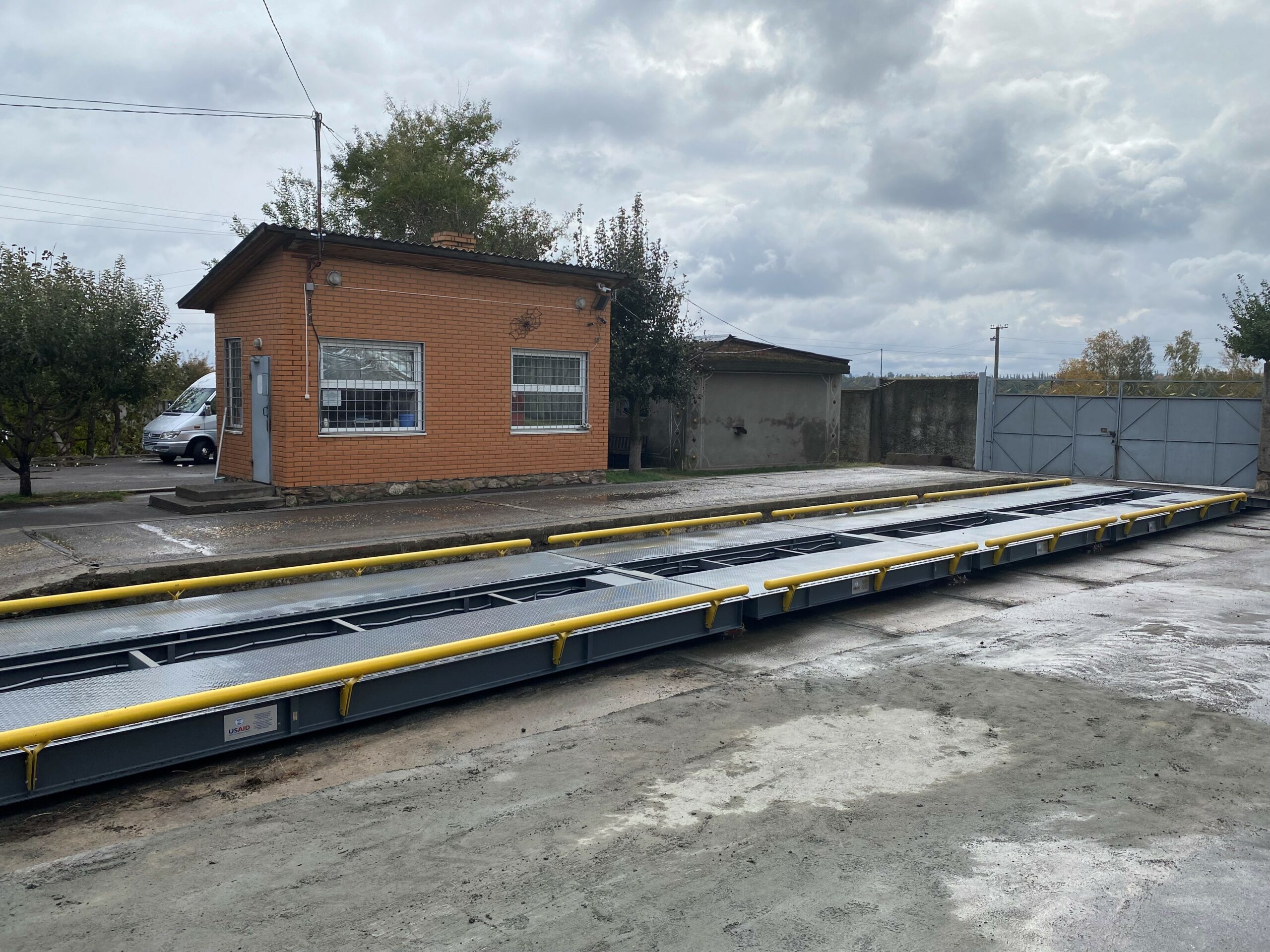
USAID Economic Resilience Activity (USAID ERA) purchased and delivered truck scales to Ukrainian agricultural companies to help them increase their export capacities. 

The truck scales were delivered to subsidiaries of the IMK Group in Chernihiv, Poltava and Sumy oblasts. The scales will be used in the grain drying complex of these locations with capacity of storing up to 100,000 tons in total. Previously, the company had small scales with limited capacity which only allowed for weighingg small trucks that are used for internal transportation of grain. 

Previously, exports were shipped by transshipment at elevators (either company-owned or owned by a third-party), with grain being loaded onto railcars at these elevators. The new scales will allow IMC to load grain onto large grain trucks in the warehouses and then ship it for export. According to the company, with the new scales and other equipment received from USAID (front-end telescopic loaders, generators), its export capacity will increase by 100,000 tons annually. 

Another USAID beneficiary in Cherkasy Oblast needed a new truck scale to ensure uninterrupted grain handling operations at its transshipment point. In 2022, the company’s truck scale was burnt during a missile attack, causing a significant decrease in exports. The farmers could not continue harvesting corn, which led to an increase in the idle time of combines and cars, as well as production costs. 

The installation of the new scales will allow the company to transship and load grain into maxi bags, increasing storage and packaging capacity export volumes while reducing the cost of exporting the grain. According to estimates, exports will increase by 10 percent. 

On October 10, TAK-AGRO holding company also received truck scales from USAID ERA. The company installed the scales at its transshipment point in Kyiv Oblast. The scales which the company used before could weigh vehicles of only up to 10 tons. Therefore, to weigh the 25-ton grain trucks used by the holding company, drivers had to travel to another branch of the company located 25 kilometers away. Now, each weighing operation saves the costs required to cover the total of 50 km of road (fuel costs, depreciation, and human resources). 

 The procurement of the equipment was undertaken within the Agriculture Resilience Initiative (AGRI) – Ukraine, implemented by the US Agency for International Development (USAID), in order to mitigate trade crisis exacerbated by Russia’s cruel war against Ukraine. It aims to help Ukraine increase its capacity to produce, store, transport, and export grain.