Tech-centered apiary opens in in Kyiv Oblast

Honey
02 June 2023

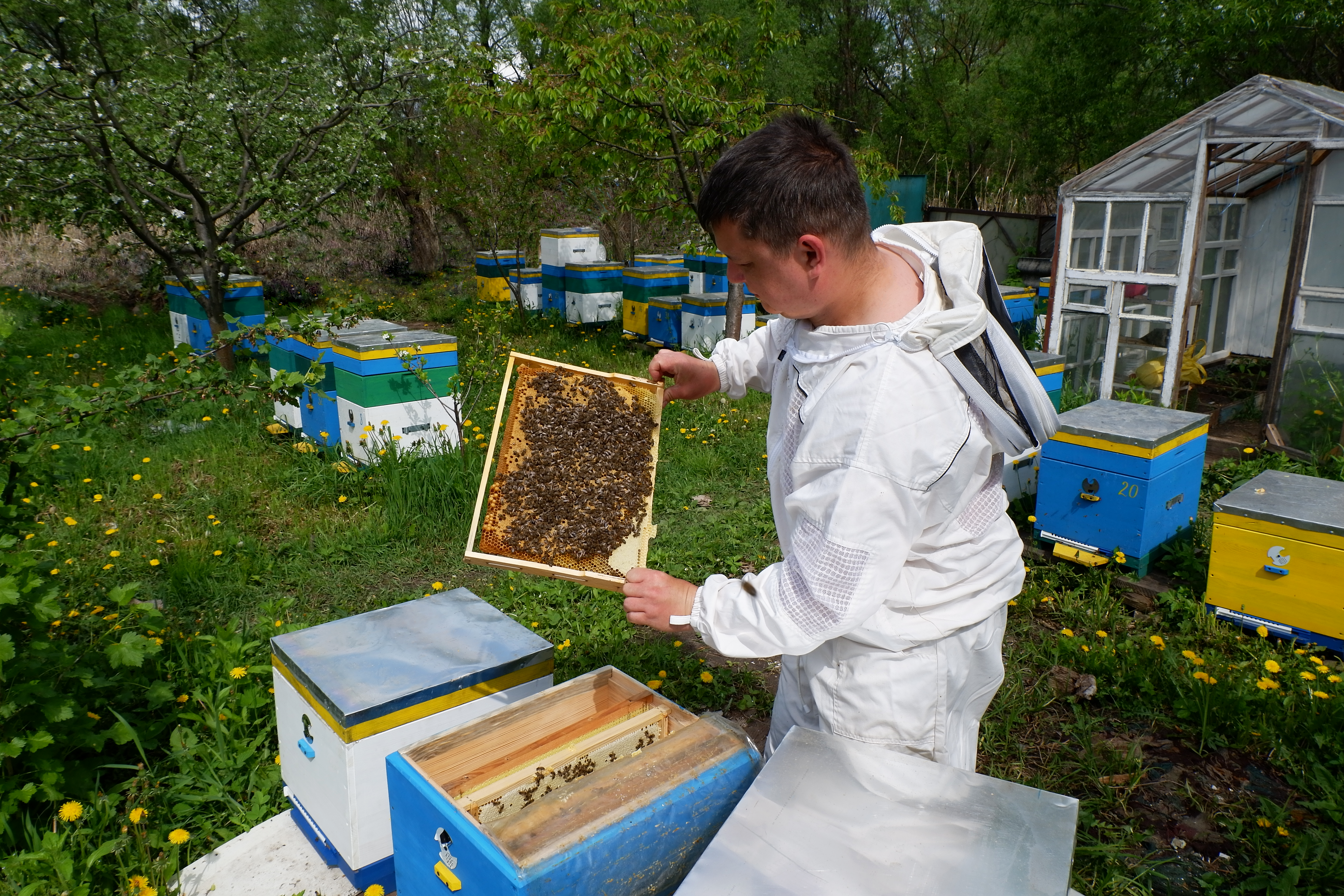
“Amohive”, a Ukrainian-Polish “IT apiary” project has both an educational and scientific mission, which the USAID Economic Resilience Activity (ERA) supports.

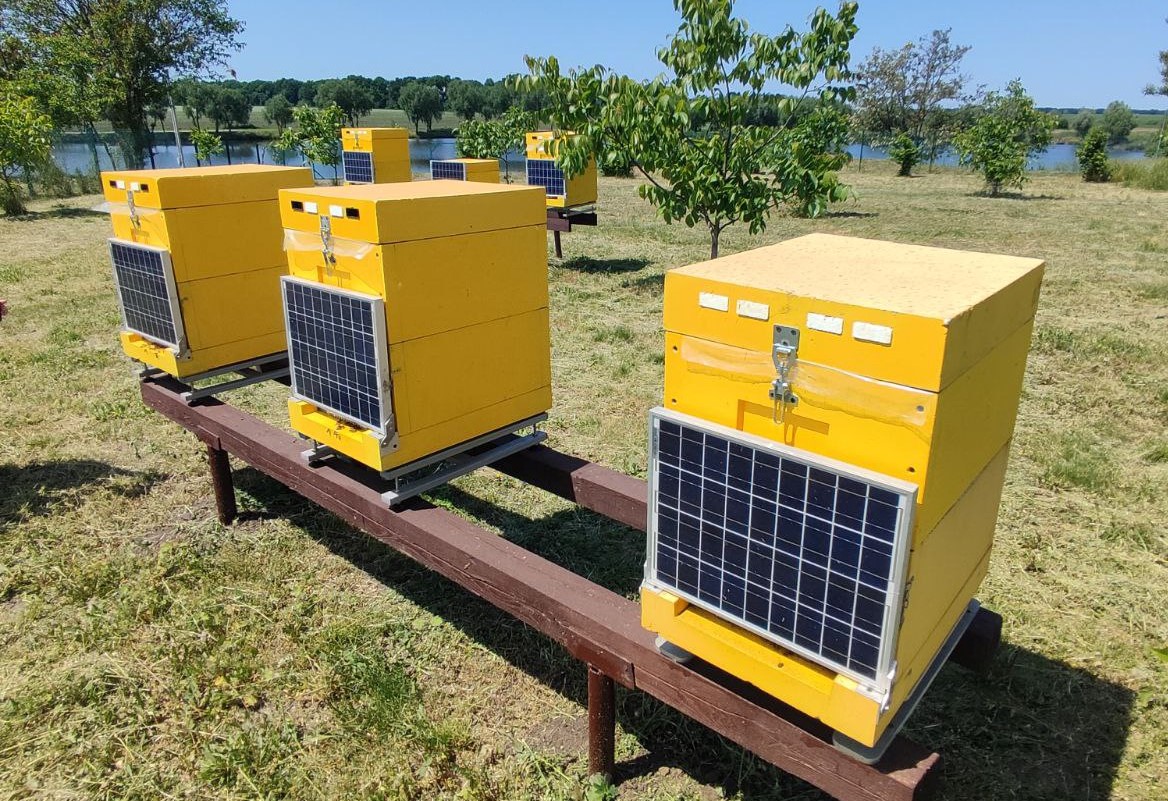
Currently, the technology-centered apiary consists of 10 experimental polypropylene hives equipped with solar panels and sensors that a beekeeper can control from a smartphone. The information from the sensors is transmitted to the server and from there to the phone. Through a mobile application, one can check the temperature in the hive, moisture, real-time weight, and the amount of honey collected, and there is also a GPS navigator function. A team of specialists from Ukraine and Poland developed such a hive, and the patent for their invention was filed in Ukraine.
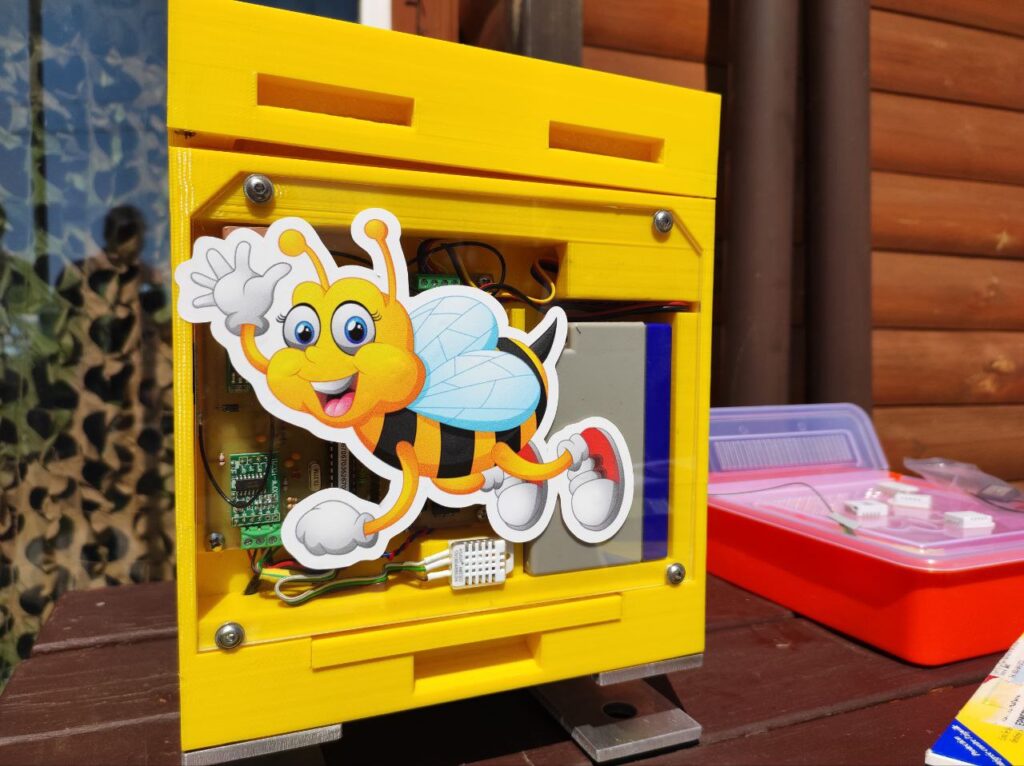
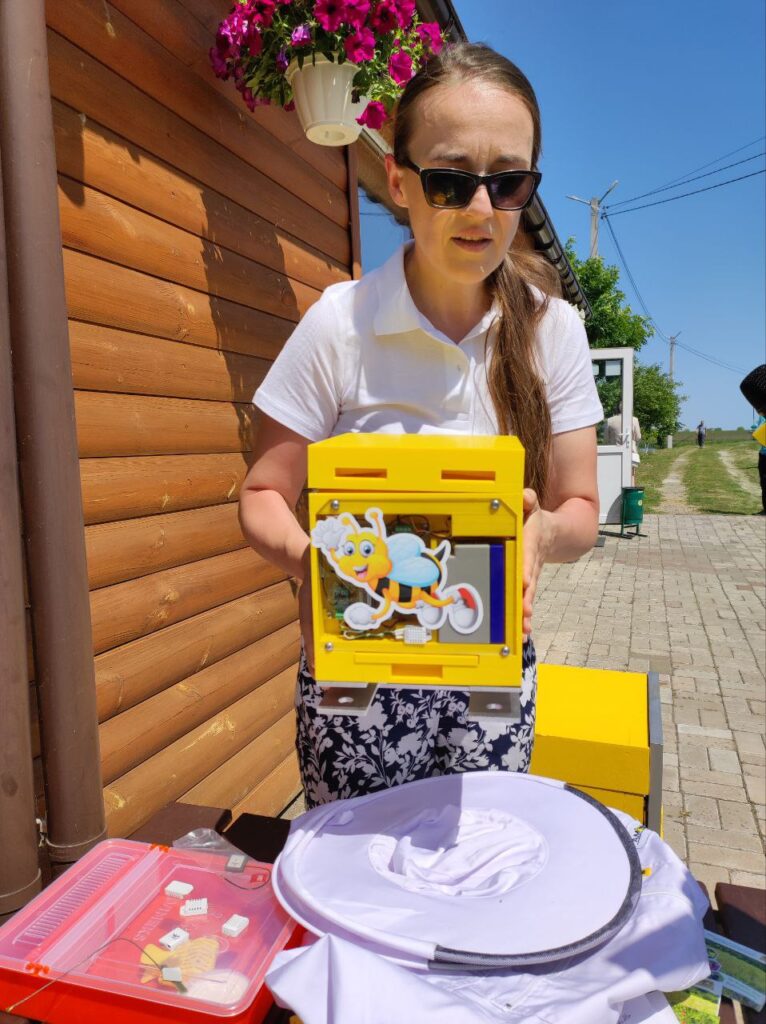
 

Aleksandra Kurdina, co-creator of the “Amohive” project, said that in May 2023, these hives were populated by bee families of three breeds – Ukrainska stepova, Karpatka, and Karnika. Now, they monitor the bees’ behavior at the apiary and, if necessary, they can regulate the temperature and humidity in the hive, as these indicators affect the incidence of bee diseases and, consequently, the result of their work – the amount of honey collected.

“Ukraine collects a lot of honey every year because it has an excellent climate for this. Thousands of beekeepers are involved in this business, but everything that happens in apiaries is as it was in the 19th century. We tried to modernize the process – to combine IT and beekeeping in order to facilitate the work of the beekeeper, to provide access to information about the processes taking place in the hive itself, in order to respond to them in time. Now, there are 10 experimental hives. Our project requires a lot of observations and research, and so we will be happy to cooperate with schoolchildren and students and spread the ideas of IT-centered  beekeeping”, says Kurdina.

Kurdina is also inviting educators and scientists to cooperate with them. Professors and postgraduate students of the ERA-supported Volodymyr Dahl East Ukrainian National University (V. Dahl EUNU) have already expressed their readiness to join the research and offered ideas on what other indicators could be added to the beehive sensors.

“Bees can be used in various fields. For example, at a man-made object, to find out whether it is safe for a person to be there. Such a smart hive can be placed near such objects, and we observe the behavior of bees to make decisions that are safe for humans. Other sensors can be added to the proposed sensors to collect more information that is important in a certain location. The students and I would like to participate in such research,” said Vadym Tarasov, Dean of the Faculty of Human Health,V. Dahl EUNU.
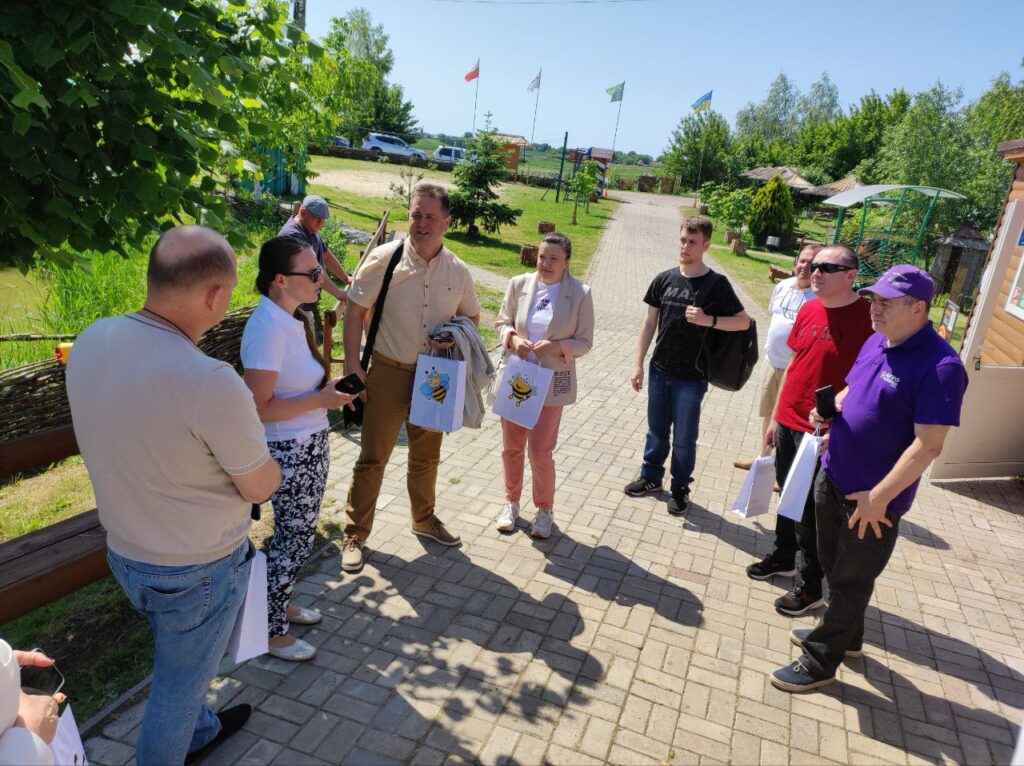
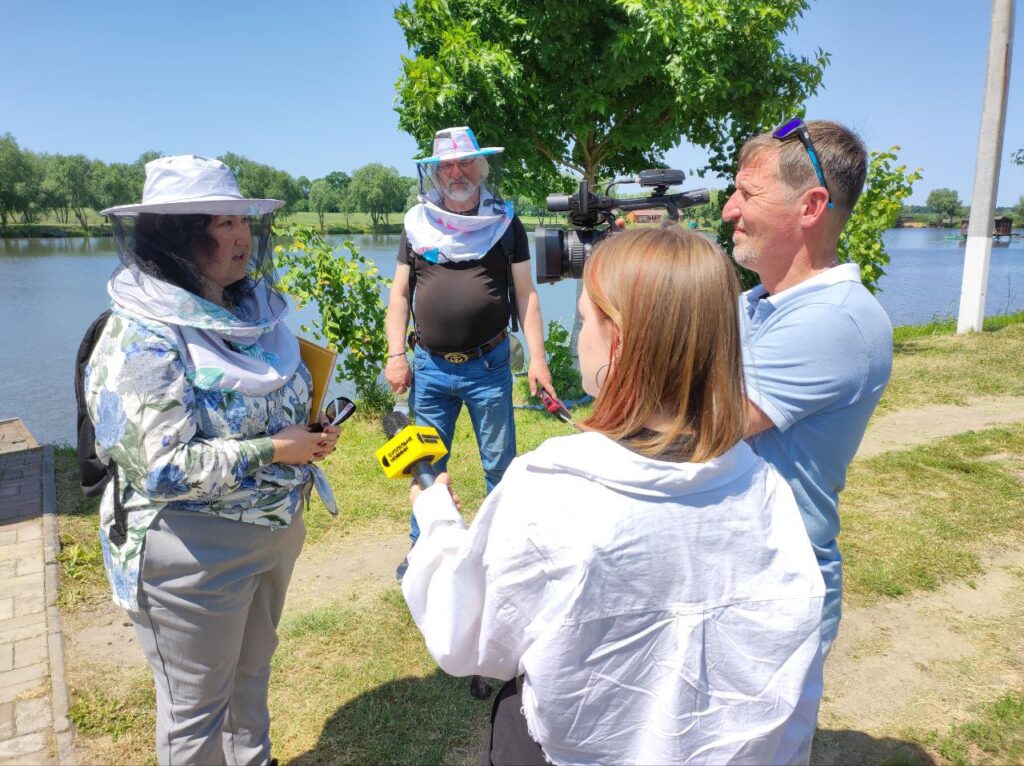
Snizhana Leu-Severynenko, the ERA Senior Manager of Workforce Development noted that such an “IT apiary’ is an interesting and innovative idea that will help develop several courses in the future – for schoolchildren, students of vocational and higher education institutions. ERA is working with businesses in order to provide employment opportunities for youth in particular, which will ensure long-term results for Ukraine.

The world is changing rapidly. We should already be talking about the professions of the future. IT-centered  beekeeping is one of them” says Leu-Severynenko.
Specialists in various services in Lviv Oblast learn to work together to prevent gender-based violence

02 June 2023

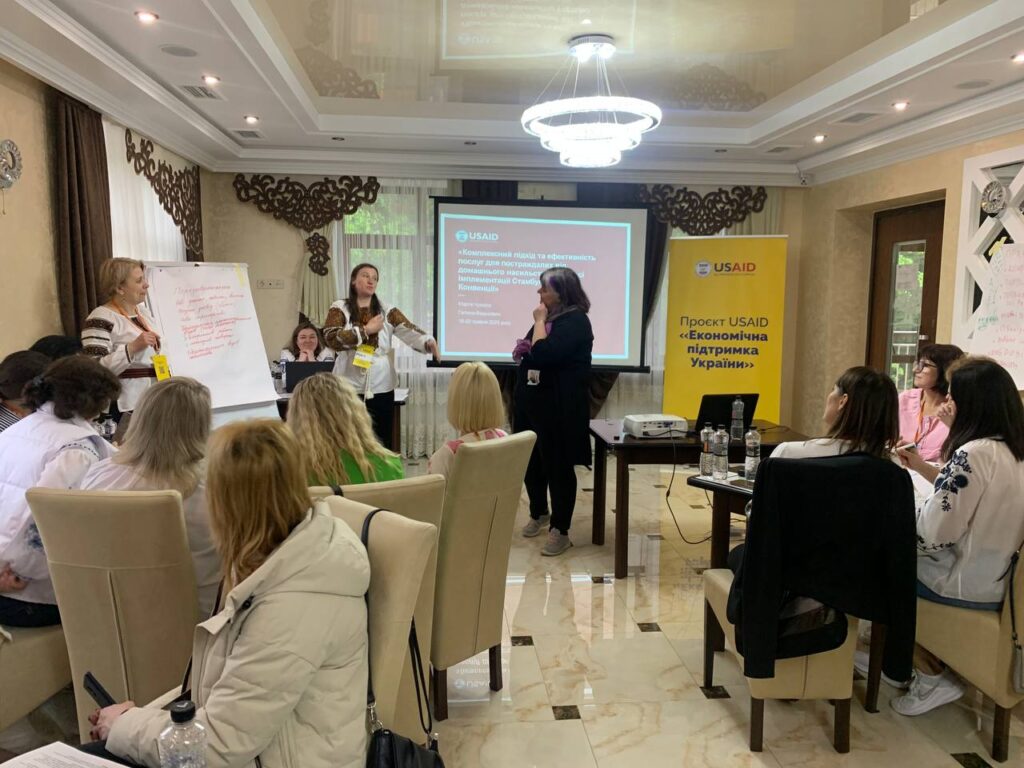
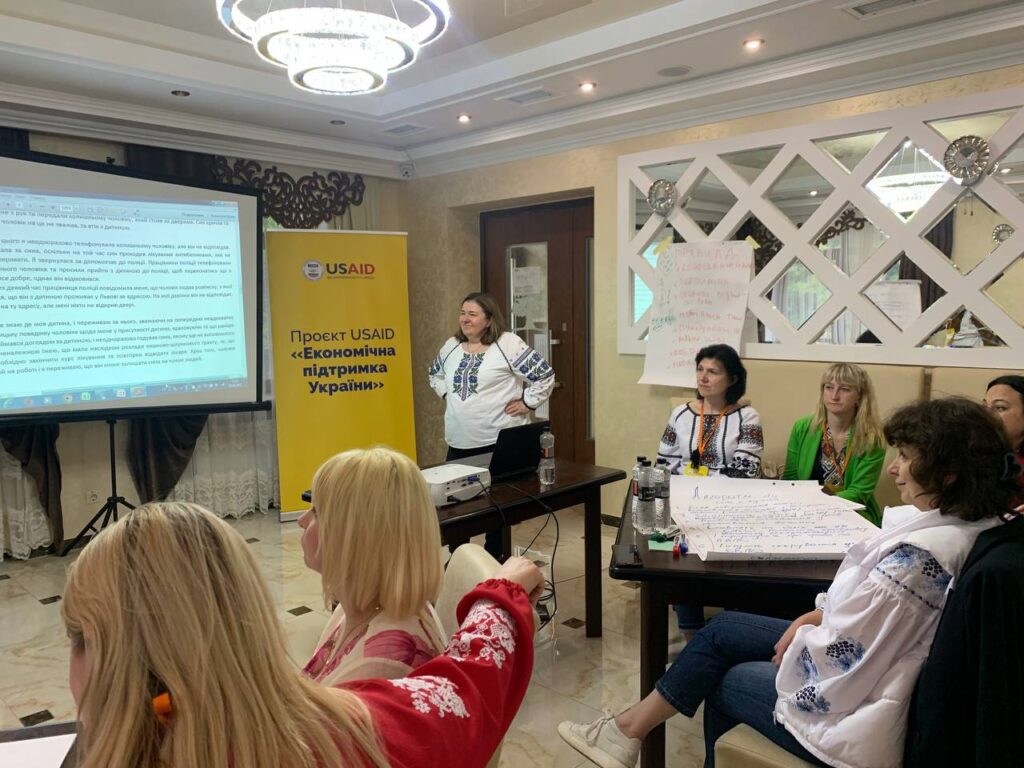
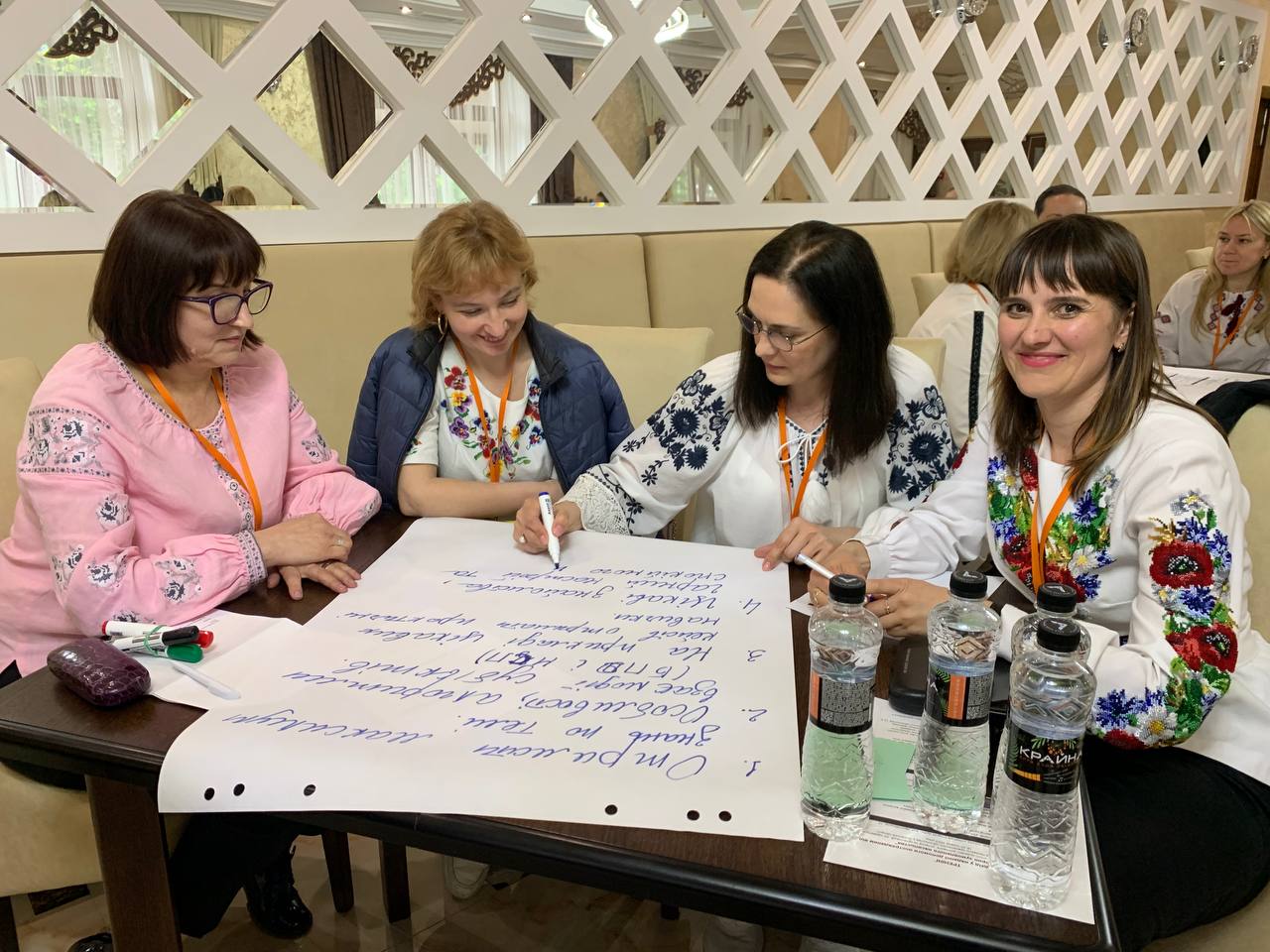
The USAID Economic Resilience Activity (ERA) supported a training in Truskavets, for 34 representatives of free legal aid centers (FLAC), as well as lawyers and social service specialists from Lviv Oblast, who provide services to gender-based violence survivors.

The idea to hold this training is a response to the request of the participants of the interregional roundtable “Challenges in providing assistance to survivors of gender-based violence in the conditions of war”, which was held in Lviv on April 5. It was then that the participants discussed how difficult it is to build effective interactions between representatives of the various institutions responding to gender-based violence following the reorganization of many structures and agencies, and how important it is to conduct training to improve interagency cooperation. For example, currently,  there are only eight social service centers and centers for the provision of social services across 72 local communities in Lviv Oblast. This was perceived as inadequate, hence the need for the training to enhance interaction between them to improve the delivery of services.

The trainers of the event – Marta Chumalo and Halyna Fedkovich, experts from the “Women’s Perspectives” Center and ERA consultants, covered the legal aspects of protecting survivors of various forms of violence, discussed how to protect women and bring perpetrators to justice for their crimes, the difference between violence and conflict, how best to communicate with survivors so as not to cause harm, and how to fully collect evidence in each specific case, using opportunities available in small communities.

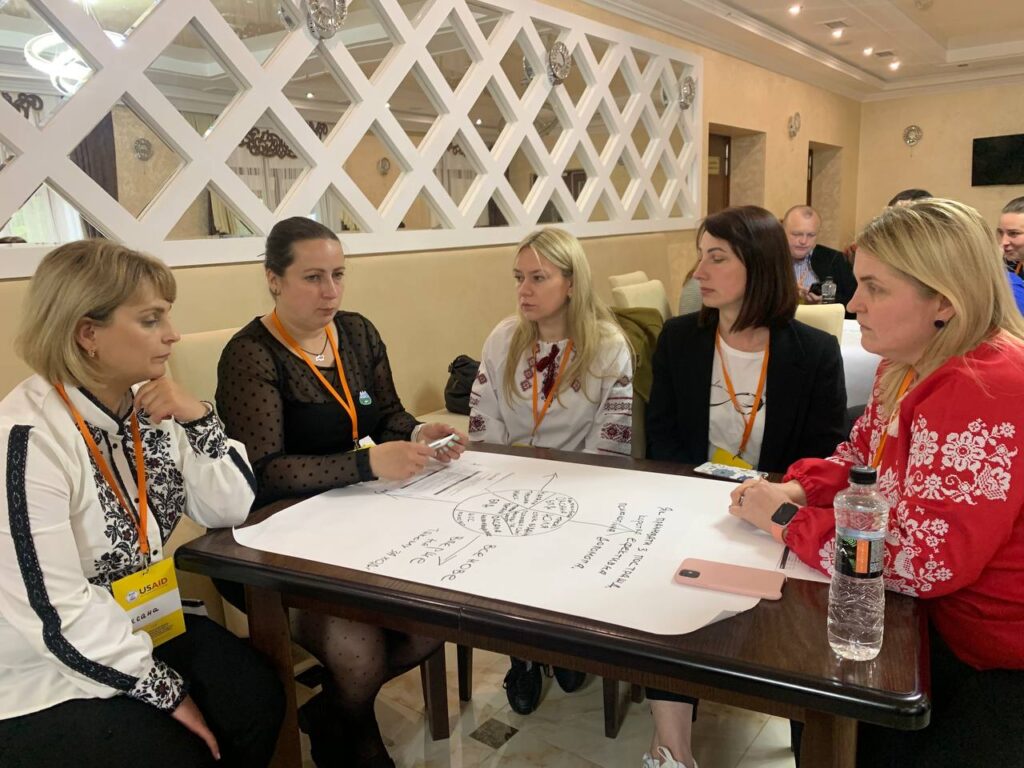
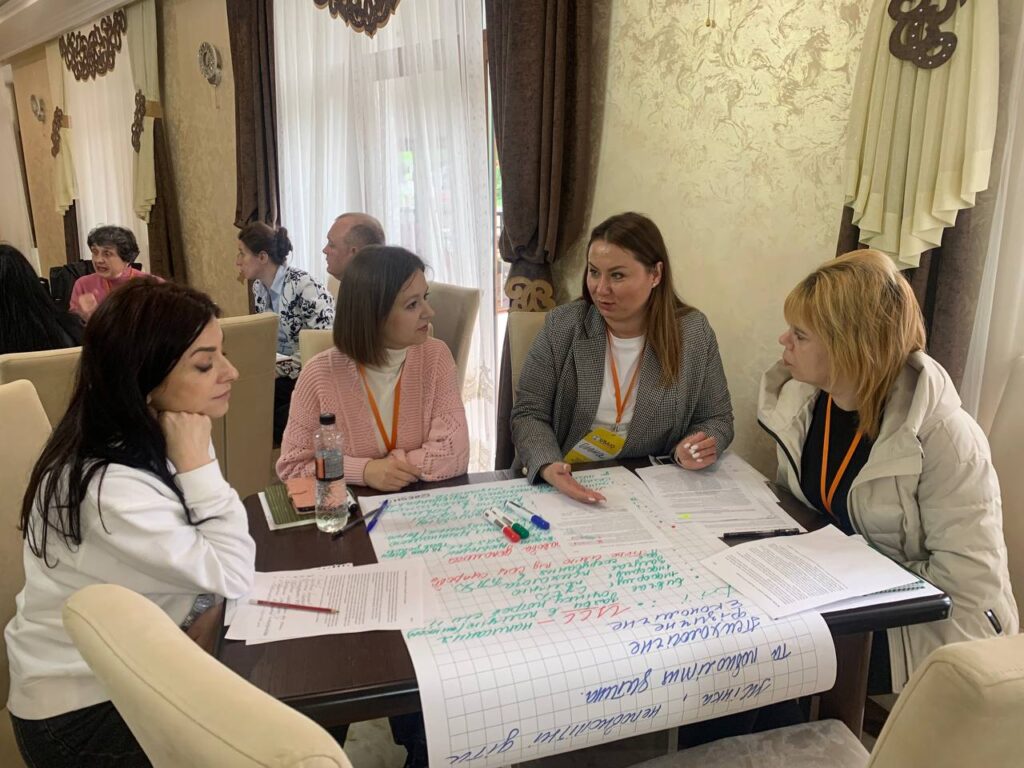
During the interactive training session, the participants spoke about theoretical models, developed practical strategies, and identified the advantages and disadvantages of Ukrainian and international legislation. There were also practical exercises on expectations of how social services representatives should act, and the participants also worked in small groups to analyze case studies on how to improve the provision of assistance to survivors of violence.

Further, the lawyers and representatives of social services developed joint strategies to help survivors, analyzed who else needs to be involved for better support, and what evidence is needed further  to protect the rights of survivors.

During the training session, the participants identified the following problems.

For example, children’s services are formally established in all communities because there is a direct legal requirement, but in most cases, they are staffed by a single social work specialist and do not have a psychologist. Accordingly, after receiving information from the police about domestic violence against a child or in the presence of a child, there is no appropriate specialist to assess the condition, possible harm and necessary services that need to be provided for the child. Information about children is not always transferred to the social services center (SSC), or vice versa – all children are referred to the SSC, regardless of whether the child has suffered harm or needs services.

Also, dealing with cases of survivors of gender-based and domestic violence requires the appropriate specialization and experience of lawyers, otherwise, additional barriers to access to justice may arise. For example, if divorce lawsuits are filed without specifying domestic violence as a reason for divorce, and alimony is collected in an action rather than in a writ proceeding, and the survivor  has to wait for a long time and may receive a smaller amount of alimony.

Often, the cases of one survivor of domestic violence are transferred to different lawyers. For example, a restraining order and divorce to one lawyer, alimony and property division to another. This complicates and reduces the effectiveness of the survivor’s defense.

“Clients come to me in different states – aggressive, angry, offended –  and sometimes I don’t know how to respond to them, so I wanted to hear some advice on how to behave in such a situation,” says Uliana Fys, a lawyer from Lviv who participated in the training session. “And during the training, I heard some tips that I can implement in my practice.”

The participants further observed that  the abuser does not have a separate social status, and domestic violence occurs in different families, not only in dysfunctional ones. To prevent violence therefore, people need to be better informed through the media about different types of violence, where to go if a person has been affected, and how to provide legal aid to survivors.

“The issue of identifying violence is very difficult because each of us have our own prejudices. There are many cases when women do not seek help or do not want the police to initiate a case or prosecute their husband, the offender. This happens for various reasons – people are afraid, and they don’t want to be judged or shamed in their community. This needs to change,” says Maria Hembara, a psychologist at the Peremyshliany Territorial Center for Social Services.

Trainer Fedkovich also observed, “according to the law, since 2018, social services have been required to cooperate, but it turns out that this is far from the case. While reviewing practical cases at the training session, we found out that the participants do not have a full understanding of what additional assistance their colleagues from other services can provide to survivors, so such trainings improve communication, and make it possible to understand how we can improve assistance to victims of violence together and develop an evidence base.”

While co-trainer Chumalo noted:

“When specialists from different fields come to the training, it improves communication and helps to establish horizontal links.To improve the quality of care, we need to communicate not at the level of ‘person – system’, but at the level of ‘person – person’, then a business platform is created that can improve the provision of assistance and make it comprehensive. That is why we conduct such trainings, teaching various services to communicate professionally in order to help at the right time.”

They also spoke about the need to further involve judges and priests in the training. Such trainings help to establish high-quality communication between different services that provide assistance to survivors of gender-based and domestic violence.

USAID ERA hands over 95 EcoFlow River Pro charging stations to support frontline oblast administrations

01 June 2023

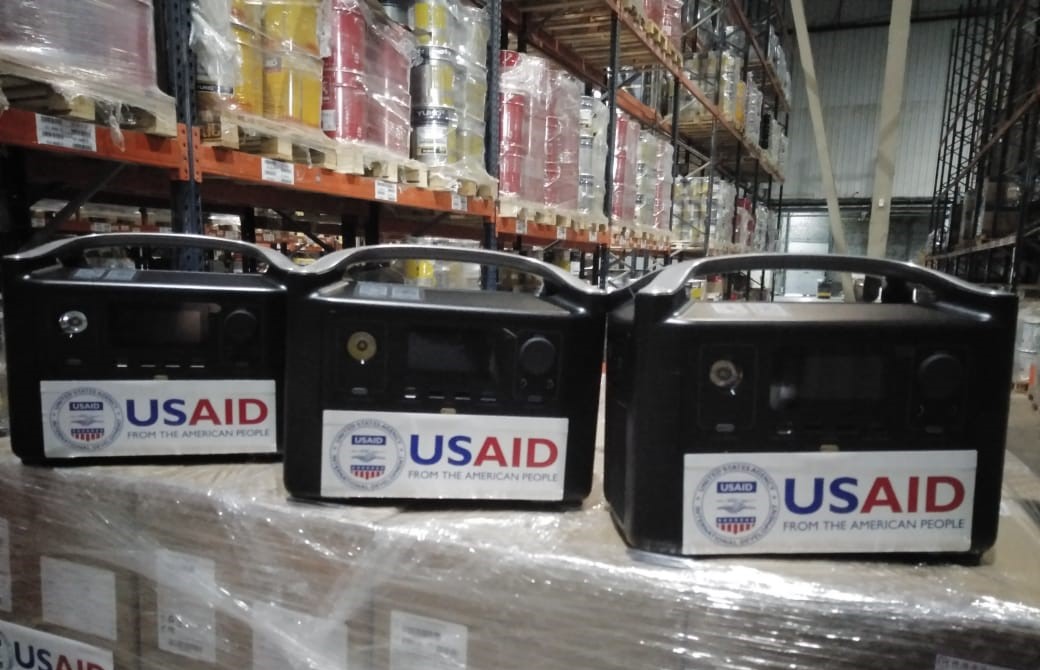
The USAID Economic Resilience Activity (USAID ERA) handed over 95 EcoFlow River Pro charging stations to meet the needs of frontline oblast administrations. A total of 71 stations went to the Donetsk Oblast Military Administration (OMA), while 24 went to the Luhansk OM. These stations arecurrently delivered to a warehouse in Dnipro and will be distributed to communities to support emergency services and residents.

This followed ERA’s May 2 delivery of 102 powerful generators to the frontline oblast administrations.

Continue reading “USAID ERA hands over 95 EcoFlow River Pro charging stations to support frontline oblast administrations”

Documentary film series “Cities and their Heroes”presented in Ivankiv

01 June 2023

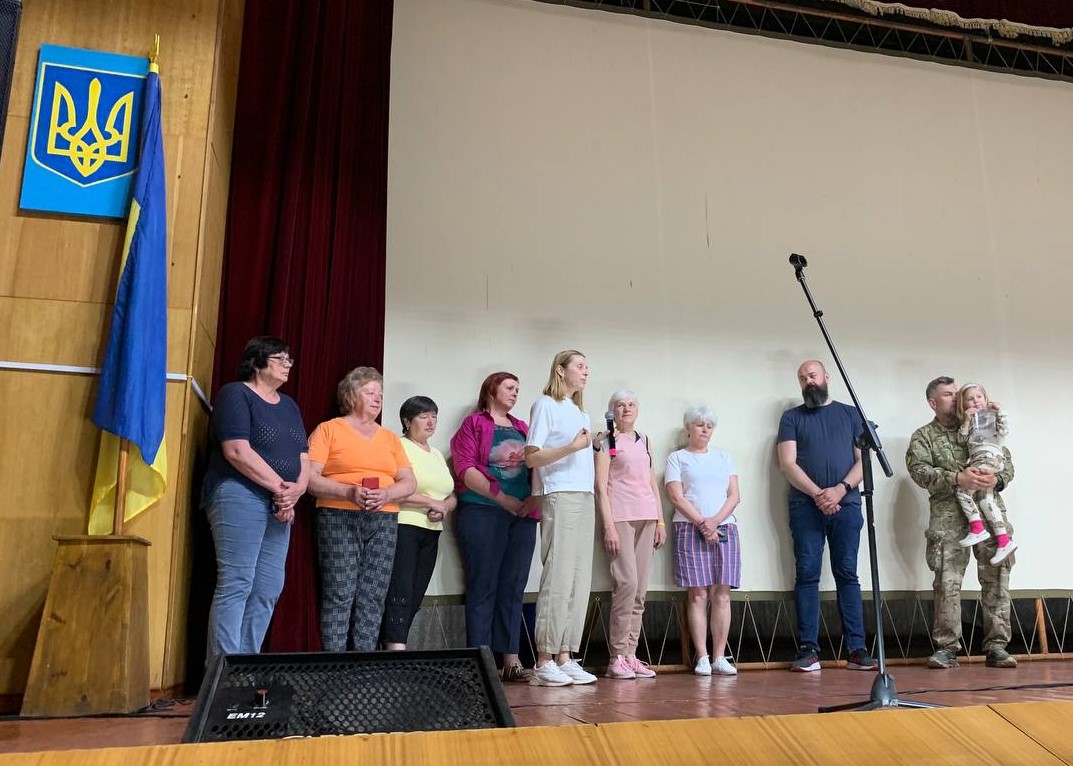
On May 26, with the assistance of the USAID Economic Resilience Activity (ERA), the premiere of the film series of six documentaries “Cities and their Heroes” took place in Ivankiv, Kyiv Oblast. The goal of the project is to show the whole truth about the heroism of the Ukrainian people and the transformation of an ordinary person into a real hero. As part of the project, documentary films about Ukrainian cities and their residents, as well as a thematic photo exhibition with the works of leading Ukrainian photographers, will be shown throughout Ukraine.

In the project “Cities and their Heroes” in each of the 6 cities of  Kharkiv, Mykolaiv, Chernihiv, Okhtyrka, Bashtanka and Ivankiv, a hero was chosen for a documentary film about the city. Each film reveals its own page of volunteering, efficiency, and love for one’s countryby Ukrainians.

The film about Ivankiv was shot in autumn last year. The hero of the film was Hennadii Popenko, who was an actor and TV presenter until 2022. And after he and his family survived the occupation of Ivankiv, he became a member of the territorial defense and an active participant in the life of the community.

“None of the heroes of our films considered themselves heroes. But we were not interested in the heroism of the Marvel movies, not in superhuman abilities. What we say about the heroism of Ukrainians is an extraordinary attribute of a person to remain human in any circumstances. In our project, we talk about such heroes,” Denys Bloshchynskyi, the initiator of the “Cities and Their Heroes” project, said at the premiere in Ivankiv.

“In the film, we tried to convey the feeling that none of us is alone – we are a nation, we are Ukrainians, each of us is doing our own thing. I am grateful to the residents of Ivankiv for enduring everything and remaining human,” added the director of the film, Olha Hibelinda. And Anastasiia Verheles, the producer of the “Cities and Their Heroes” project, noted: “There is still a lot of work ahead. And I believe that we will come to shoot a film about how Ivankiv is rebuilding after our great victory.”

The premiere in Ivankiv was also attended by the townspeople whose stories were included in the “Cities and Their Heroes” project. In particular, these are the workers of the volunteer headquarters, who are engaged in weaving camouflage nets for the frontlines. It is worth noting that on the very day they celebrated their anniversary, they made the 700th net.

“This film reveals what happened to us here, what we experienced here. I want to thank the Ivankiv community for always responding to our requests. As soon as we turn to people for help with clothes, dishes, household appliances for the military and everyone who needs it, we always get a response. And we wouldn’t have our camouflage nets if we weren’t helped with donations,” Iryna Alieksieienko, organizer of the volunteer’s headquarters said after the show.

During the week leading up to the premiere, there was also a photo exhibition in Ivankiv, which showed photos taken in various cities of Ukraine that were affected by the Russia’s invasion – city landscapes and photos of individual objects, as well as photos of city residents who played an important role in the defense of their land from Russia’s invading forces.

The heroes of the photo exhibition from Ivankiv were in particular:

– Vira Holubenko, nurse of the intensive care unit of the local hospital, who continued to provide medical aid to the injured during the occupation;

– Nataliia Polyvach, head of the preventive work organization department of the Vyshhorod Raion Department of the State Emergency Service of Ukraine in Kyiv Oblast, a lieutenant colonel who survived captivity, psychological torture, but did not betray her fellow villagers;

– Mykola Rudenko, a private entrepreneur, who during the occupation helped fellow villagers with food, water, and medicine;

– Iryna Chernenko, director of the Ivankivskyi KhlibZavod (Ivankiv Bread Factory) enterprise, who continued to bake bread together with her employees during the occupation;

– Iryna Alekseenko, housewife, who after liberation started volunteering, having completely changed her life;

– Dmytro Handzha, director of the “Khutir na Okolytsi” (Farmstead on the Outskirt) fishery, who during the occupation found a way to feed the residents of Ivankiv; and

– Svitlana Yakovenko, pensioner, who devoted herself to volunteering.

On June 3, the project “Cities and Their Heroes” was presented in Kharkiv. Then, it will be shown in Mykolaiv, Chernihiv, Kyiv and Lviv. Learn more about “Cities and Their Heroes” on the project’s website and social media.

10 displaced women complete training course on financial security and economic literacy

31 May 2023

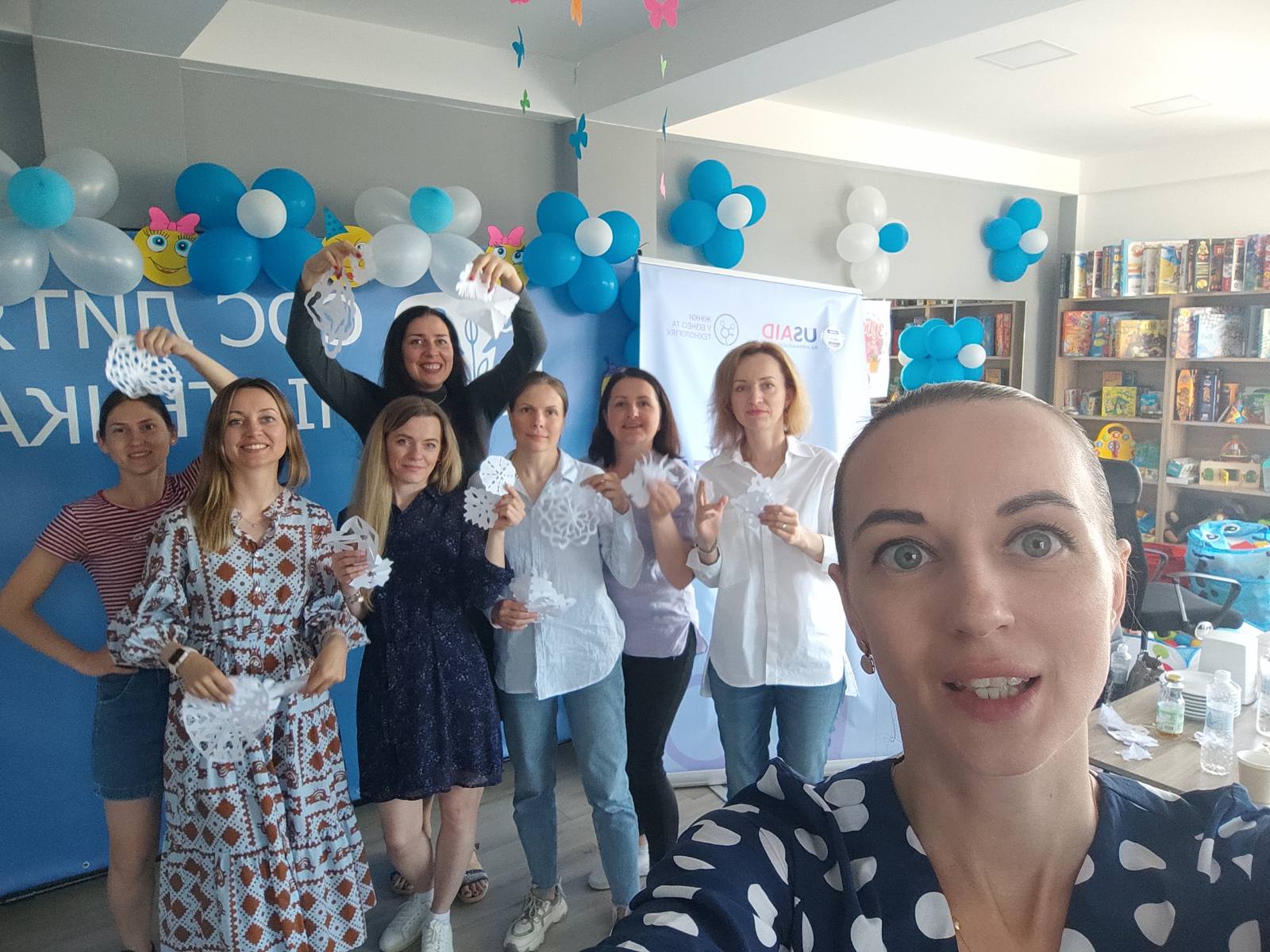
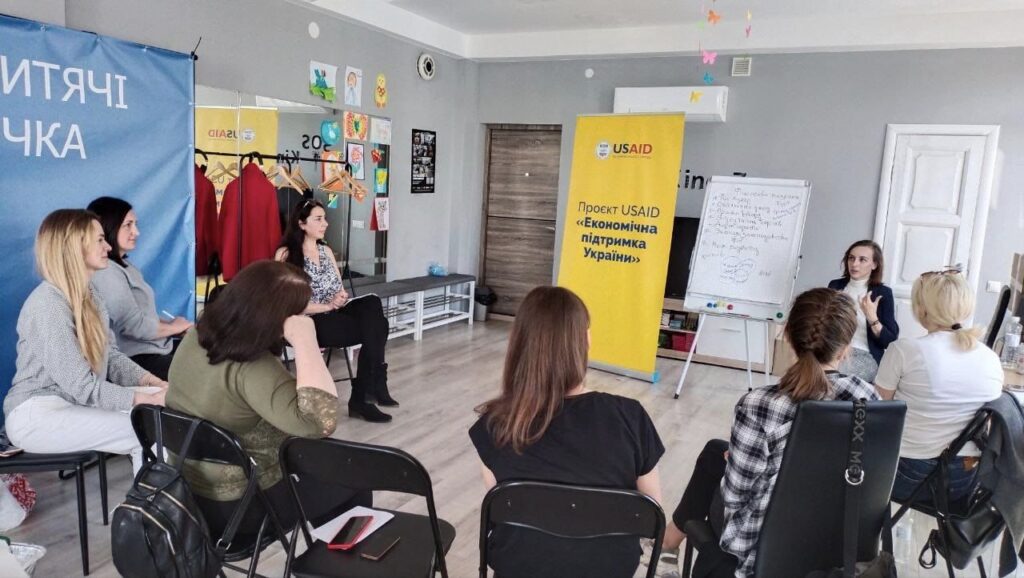
Between May 11-29, with support from the USAID Economic Resilience Activity (ERA) and in cooperation with the International Charitable Organization “BF SOS Dytiachi Mistechka (Children’s Towns)”, a training course on financial security and economic literacy was held for 10 displaced women currently living in Uzhhorod, Zakarpattia Oblast.

This followed ERA receiving a request from the organization through Nataliia Kryvoruchko, the manager in the social sphere, to train the organization’s beneficiaries in the basics of financial literacy and economic security.

“We are currently facing the same problems as in 2014, when people are putting their lives on hold and waiting to return home. Many women have lost their jobs or businesses, had to move to a more peaceful region for the safety of their children, but have lost a lot financially. Currently, it is important to work within this context in order to prevent gender-based violence and cases of human trafficking,” says Kryvoruchko.

ERA selected the 10 participants, who are raising children of primary school age and are unable to work full time, adapted the program for them, and developed a course that considers all the characteristics of this target audience and their current circumstances. The course consisted of six lessons and included practical exercises, business games, and business simulations.  According to the trainer, ERA Gender and Inclusion Specialist Krystyna Kasrashvili, the small group of participants had diverse professional experience and openly shared these experiences and their capacities with each other.


Thanks to this course, these displaced women have the opportunity not only to receive humanitarian and psychological assistance, but also to develop their professional competencies, plan their future, and receive mentoring support towards implementing their ideas and possible self-employment. Following completion of the training, the participants will receive mentoring support over two weeks to develop their business ideas and raise funds for them. ERA plans to scale up the course for beneficiaries of other charitable and civil society organizations.

BEEKEEPER FROM KHARKIV OBLAST GETS READY TO MARKET HIS CREAMED HONEY WITH USAID ERA SUPPORT

Honey
29 May 2023

Mykhailo Tsybulka from Kharkiv continues developing his family’s apiary despite the war. With assistance from the USAID Economic Resilience Activity (ERA), the beekeeper received consultations on implementing the food safety standard Hazard Analysis and Critical Control Point (HACCP) in his creamed-honey production shop. Read the beekeeper’s story below.

Tsybulka has had a passion for bees since childhood, as his grandfather and father were both beekeepers. As far back as he can remember, he was always near the hives. In 2019, he started running his own business, gradually increasing the number of bee colonies and had plans to expand his business, but then the war broke out.In the spring of 2022, the Tsybulko family left their home and their apiary behind.

“My grandfather Pavlo had been running an apiary in Kharkiv Oblast since 1948, and as a child, I always followed him. I remember spending all my time at the apiary. Four years ago, I decided to develop the apiary myself. When the full-scale war began, my family and I moved to Ivano-Frankivsk because there was heavy shelling in Kharkiv,” Tsybulko says.

Over the past year, honey prices on the Ukrainian market have fallen, forcing the family to look for ways to earn more money. So they decided to produce creamed honey. But they needed money to expand the apiary, buy equipment for making the creamed honey, and also needed to get the necessary permission to sell this product. Thanks to a grant from the state’s Erobota program, Tsybulka obtained funds to expand the apiary and create an additional 60 hives to increase the total to 100 hives. This year, the apiary will be nomadic again to get better honey and help the bees collect it.

“I received the grant and as I can work with wood, I make the hives myself, which is profitable. Last year, I bought wood and made hives in winter and spring, and thanks to this grant, my apiary has grown 2.5 times. The next step is to fill the hives with bee colonies, I will take some of my own bees, and some I plan to buy,” the beekeeper says.

Mykhailo received another grant from the International Organization for Migration (IOM) to launch the production of cream honey. With the grant money, he purchased equipment that has already allowed him to start production – tables, shelves, furniture, a dispenser, and raw materials (fruit sublimates). But to sell such a product, you need to have the necessary certification and permits.

Continue reading “BEEKEEPER FROM KHARKIV OBLAST GETS READY TO MARKET HIS CREAMED HONEY WITH USAID ERA SUPPORT”