IN BUSINESS, YOU SHOULD TREAT THE CLIENT’S NEEDS AS IF THEY ARE YOUR OWN” – IT COMPANY DIRECTOR FROM DONETSK OBLAST

22 August 2022

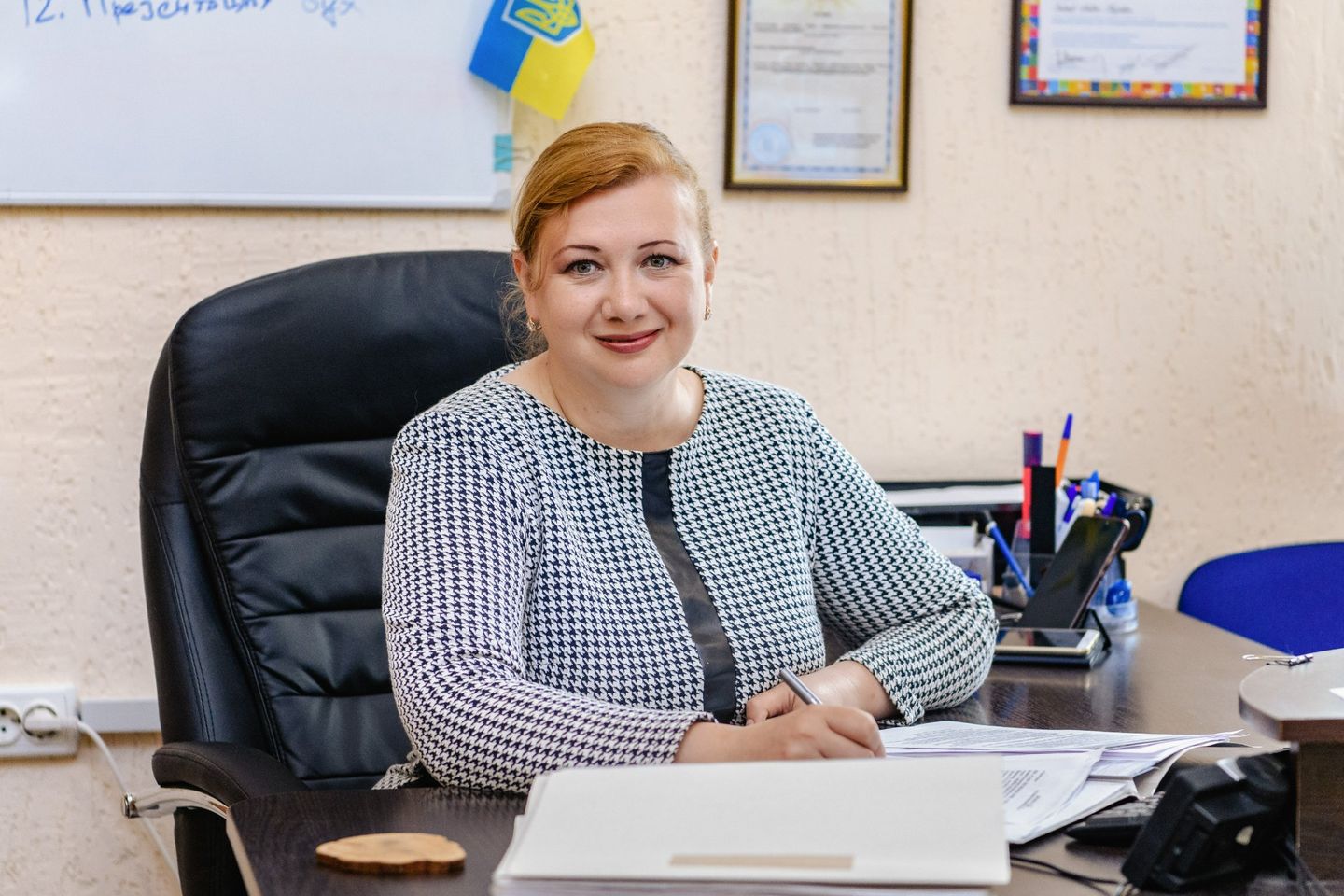
Svitlana Panova has led the limited liability company A – Soft Pro under the brand “Areal” from Kramatorsk since 2014. She worked in the hotel business in Crimea before deciding to change her profession and direction of development.

“If you can organize several people and motivate them, it doesn’t matter what kind of business it is. Business processes in different industries are very similar. Therefore, it was not difficult for me to change and master a new vector of development,” says Panova, Areal co-owner and director.

From 2014 to 2022, under Panova’s leadership, the company grew in number of employees, and increased its number of clients 20 times. Networking and market promotion among businesses in Donetsk Oblast contributed to this growth.

By February this year, the company employed 26 people, most of them IT specialists. Areal is a member of the public union Eastern Ukrainian IT cluster, which was created in 2020 with the assistance of Economic Resilience Activity (ERA).

The company develops software for accountants, writes programs for enterprises in the housing and communal services sphere, and develops various applications. Clients are enterprises in the budgetary, communal, and security sectors of Donetsk, Kharkiv and Luhansk Oblasts. For example, in Kramatorsk, Areal developed a convenient single bill for residents to pay for utilities. The company also serviced all housing intercoms in eastern Ukraine, from Kharkiv to Dnipro and Poltava, and cooperated with Donetsk Oblast State Administration.

In April, due to the war the company relocated from Kramatorsk to Lviv. Not everyone agreed to move to Lviv, so the company now has a team of 12 employees. The same number of employees have left Ukraine and are now working in foreign companies. The company rented an apartment in Lviv that became an office for internally displaced people from Donetsk Oblast.

“We are interested in creating a new powerful team that will promote our products on the market. Before, clients trusted the brand; now they trust people, the team that creates a certain product, so having a good team is extremely important,” says Panova.

A new development by IT specialists from Kramatorsk is software for accounting. The software can be installed on a computer, and Areal specialists will help to transfer databases previously developed by the client, and advise the company.

“We are the only ones in Ukraine who help clients not only to install our program, but also to transfer databases of many years. Other IT companies rarely do this. We support our customers and treat their needs as our own; this is the only way to build a quality service. We offer clients to purchase this service from Areal-accounting for 1 hryvnia, so that customers can appreciate its advantages and abandon use of the widespread Russian product 1C. I have experience in accounting work and I often try the product myself to understand whether it is convenient to use,” Panova says.

Seventy percent of Areal clients have also left Donetsk Oblast and are now working in various regions of Ukraine. A third, with whom the IT specialists keep in touch, remain in dangerous areas where there is shelling and destruction every day.

The internally displaced company needs to attract new partners, which is not easy in a new business environment, but Areal actively participates in IT conferences and is getting to know local private businesses, utility companies and state organizations. Specialists are currently developing a program for military trade that will improve and facilitate communication with the customers.

Svitlana Panova, as a member of the Women in Business and Technology women’s network, also invites women entrepreneurs to cooperate.

She believes that Areal will return home because, according to her, her soul remains in Kramatorsk.
“I BELIEVE AGAIN” – MARIUPOL RESIDENT DEVELOPS BUSINESS DESPITE LOSS OF HOME AND JOB

17 August 2022

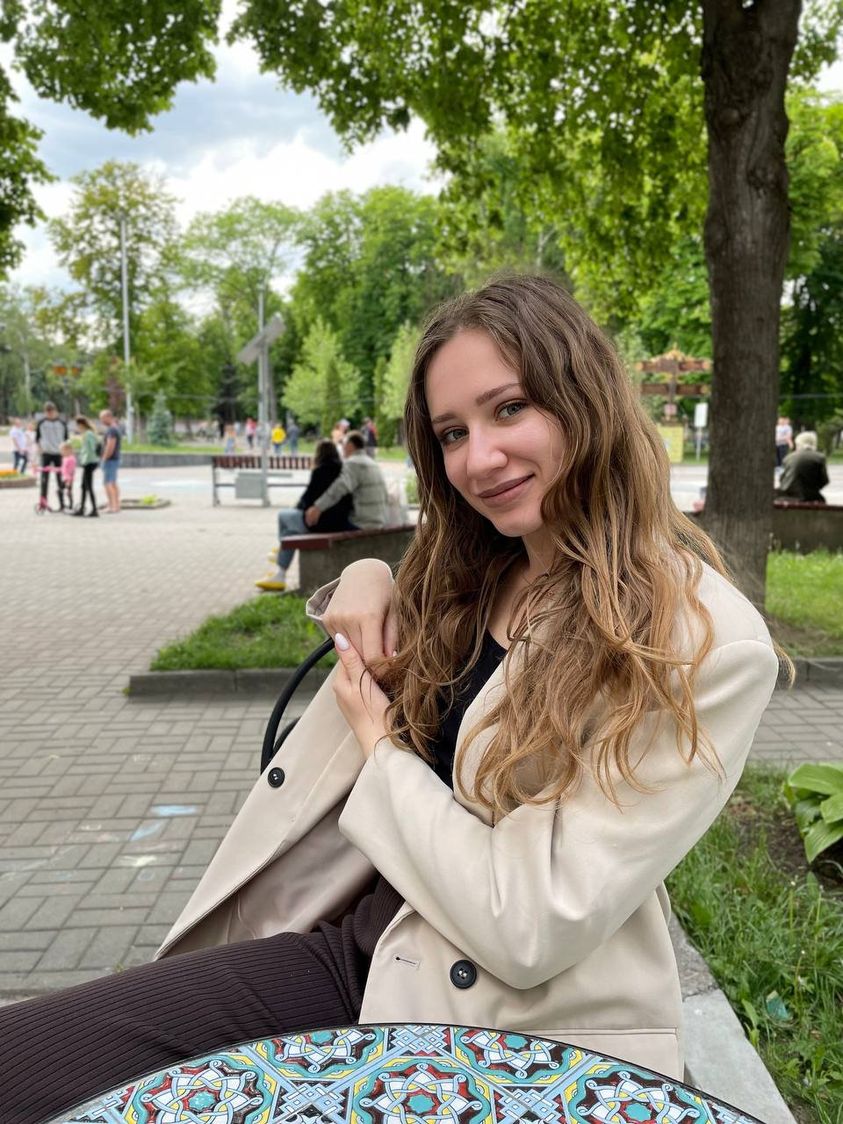
Yuliia Baliaba from Mariupol had many different jobs before February 24. She worked as an office manager in an IT company, held English language classes for students (she has a degree in translation) and had a favorite hobby: online shops of branded cosmetics and bags. To better promote online business and improve her knowledge of sales, she applied for the course “Online Sales Manager” supported by Economic Resilience Activity. But then war broke out.

Baliaba’s family struggled to survive in Mariupol, which was shelled by Russian troops from February 24.

“We were just waiting for the constant shelling to end, and trying to survive, and on March 17 when it calmed down a bit we saw that people were leaving the city. We took a risk and headed into the unknown, but then it turned out that there was a “green corridor”,” Baliaba recalls. “On the evening of March 18, we arrived in Vinnytsia. We had nothing with us, no basic things, no clothes, only a backpack with valuables, a cat and a dog. We didn’t know what to do, how to live on.”

Her life completely changed. Many English students left, and those who stayed in Mariupol were not interested in English at that time. Work at the IT company ended too because the Mariupol office no longer existed. Baliaba’s entire stock of cosmetics and bags remained in Mariupol, so she had no sales.

“That’s how everything collapsed in one moment. From an active, positive and life-loving girl I turned into a person I didn’t know,” says Baliaba. “Then there was time to recover and come back to life. Later on, I remembered that I had ordered several parcels of cosmetics before the war. I tracked them and found them at the terminal in Lviv, so I requested to send them to Vinnytsia and began to wait. I was very happy when I received them and started to actively revive my online brand cosmetics shop.”

At the same time, Baliaba found out that she had been selected to take part in the online training program. For her, it was a sign that everything would work out and that she should not quit her business. The Online Sales Manager course began on June 14, 2022 and consisted of 12 online modules.

During the month, participants learned about the role and functions of an online sales manager, learned the most effective sales techniques, and gained skills in developing a unique sales offer, using digital marketing tools, and organizing customer flow. In total, 20 participants from Donetsk and Luhansk Oblasts successfully completed the course and additionally received individual mentoring support and advice from the trainer.

“It is very difficult to promote yourself online without a large stock of goods, without money for marketing, without a website, and without advertising on bulletin boards,” said Baliaba. “But you should be able to do it for free, and I do it every day, investing only my time so far, my acquired skills, and my desire to make Ukrainian girls at least a little bit happier.”

During the training, the mentor suggested participants unite and create their own online project. Baliaba took responsibility for a team and became the project manager. Her team of seven people created an online store of hobby and sports goods called StopStress.

“First of all, we want to achieve a social goal – to improve the quality of life of Ukrainians, unite Ukrainian families through joint activities, and with the help of our products overcome the daily stress and tension caused by the state of war in our country,” said Baliaba. “We decided to sell products that help to distract you from everyday problems, reduce stress, relax, and pay attention to yourself, your children, and your family. Now our website offers various board games for children and adults, paint-by-numbers pictures, sports goods such as mats, jump ropes, and balls, and more.”

The project is not profitable yet, but the highly motivated team members believe in it and are working on their idea. They have already created a site, found suppliers, filled it with products, and are promoting them through social networks.

They already have small achievements after two months of work. Baliaba has developed a site on a free platform. The team has also created an Instagram page. The team of internally displaced people needs a salary, investment in site maintenance, an advertising campaign, and equipment for working, as not all the members have the necessary resources for full-time work.

“This course gave me a lot,” said Baliaba. “First of all, interest and belief in myself. Our mentor motivated me a lot and believed in my personal project of selling cosmetics, MySecretUa, and the project StopStressUa. Secondly, I learned how to act in stressful situations, how to develop, how to be an effective manager and what sales techniques and types of advertising to use and how to scale up a business. I received sound knowledge, and from now on I have confidence in myself. I am very grateful to ERA for this support course, which was very timely, gave me knowledge and did not let me fall into depression due to the situation in the country.”

COMPANY FROM LUHANSK REGION RESUMES 50 PERCENT OF PRODUCTION IN CHERKASY OBLAST

10 August 2022

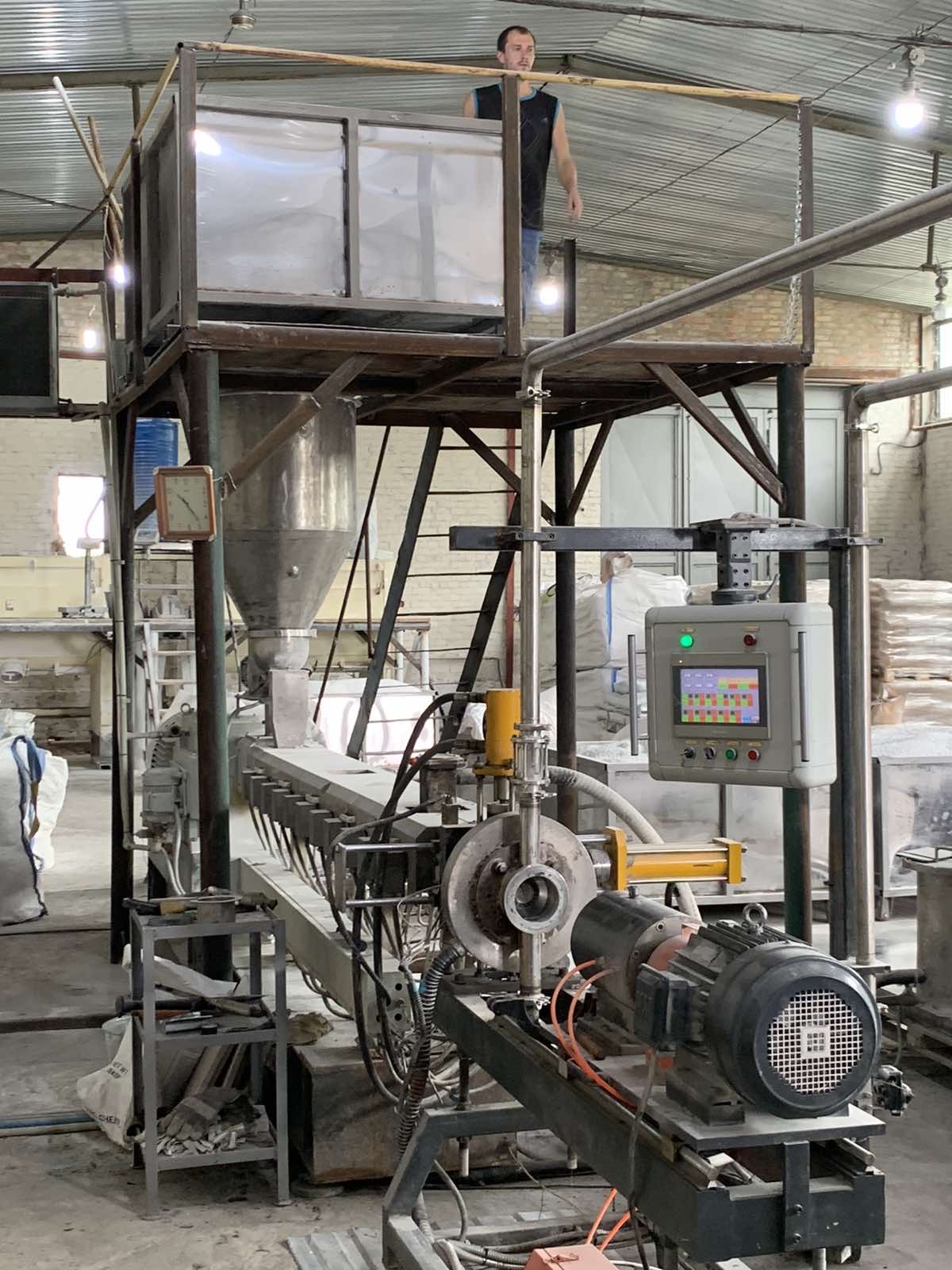
Before the war Tana manufacturing enterprise from Sievierodonetsk produced polymer granules for the automotive, construction and furniture industries. In March, due to the war, the company was forced to leave its workshops and part of its equipment, and look for a new location in a safer region to resume operation.

The company had its own trucks, so Tana did not have to pay a lot of money to organize transportation.

“Since the beginning of the war, the cost of freight transportation from Luhansk Oblast has increased tenfold, and in some places even 20 times. If before the war, a truck from Sievierodonetsk to Dnipro cost 10,000 hryvnias, in March I was quoted a price of 100,000 hryvnias, and sometimes 200,000 hryvnias,” says Serhii Voitiuk, Director of Tana production and commercial company.

The manager formed a team online that agreed to transport products and equipment from the company’s workshops. The stock of finished products was evacuated first, as it can be sold to quickly replenish working capital. Later, the company began to dismantle equipment in the workshops – extruders for producing composite materials and auxiliary tools. The team had to work under fire and in the dark, because the electricity was cut off due to shelling. In such conditions they were only able to dismantle and move half of the equipment.

More than ten trips were made from March to May.

“Our company is located near the Azot plant. There was no bombing there for a while, so it was possible to drive. But the enemy tracked the trucks; once on the road from Lysychansk to Bakhmut a quadrocopter flew over and then dropped a projectile near the warehouse. Fortunately, the dismantled equipment had been moved by then. That was our last trip,” says Voitiuk.

The evacuated equipment was first stored in Dnipro in rented warehouses. The company decided to move to Uman, and looked for housing for workers and production premises in Cherkasy Oblast. Ten families of Tana workers agreed to move from Luhansk Oblast to the new region.

Economic Resilience Activity (ERA) partner Ukrainian Food Association of Food Manufacturers played a significant role in choosing a place for production relocation. The association organized meetings with local businesses and authorities, which helped Tana find premises that best met its requirements.

In June Tana started manufacture again. It has lost some customers who stayed in occupied Kherson region, or in Kharkiv where they cannot work as there is shelling daily.

Tana resumed export orders from Uman for customers in the automotive and furniture industry in Belgium and Germany. The enterprise now employs 16 people, down from 85 before the war.

Tana produces window seals, which now are in demand on the market.

“There are a lot of destroyed buildings in Ukraine that need new windows. We manufacture a polymer sealant for double-glazed windows, and believe that there may be great demand in this segment. Now we are cooperating with window manufacturers in Ukraine and looking for new partners,” says Voitiuk. “The raw materials for our products are imported, and in recent months the exchange rate has increased, fuel has become more expensive, and there are difficulties with logistics, all of which affect the cost price of our product.”

The location of production facilities in Uman is logistically advantageous for the enterprise, because any city in Ukraine can be reached within a day. Nevertheless, Tana is considering moving to other regions. Voitiuk, like his employees, wants to return to his native Luhansk Oblast and rebuild the region after victory. The team also plans to begin production of biodegradable plates from corn, for which equipment was purchased a few months before the war.

ENTREPRENEUR FROM DONETSK OBLAST MANUFACTURES BEEHIVES IN CHERKASY OBLAST

09 August 2022

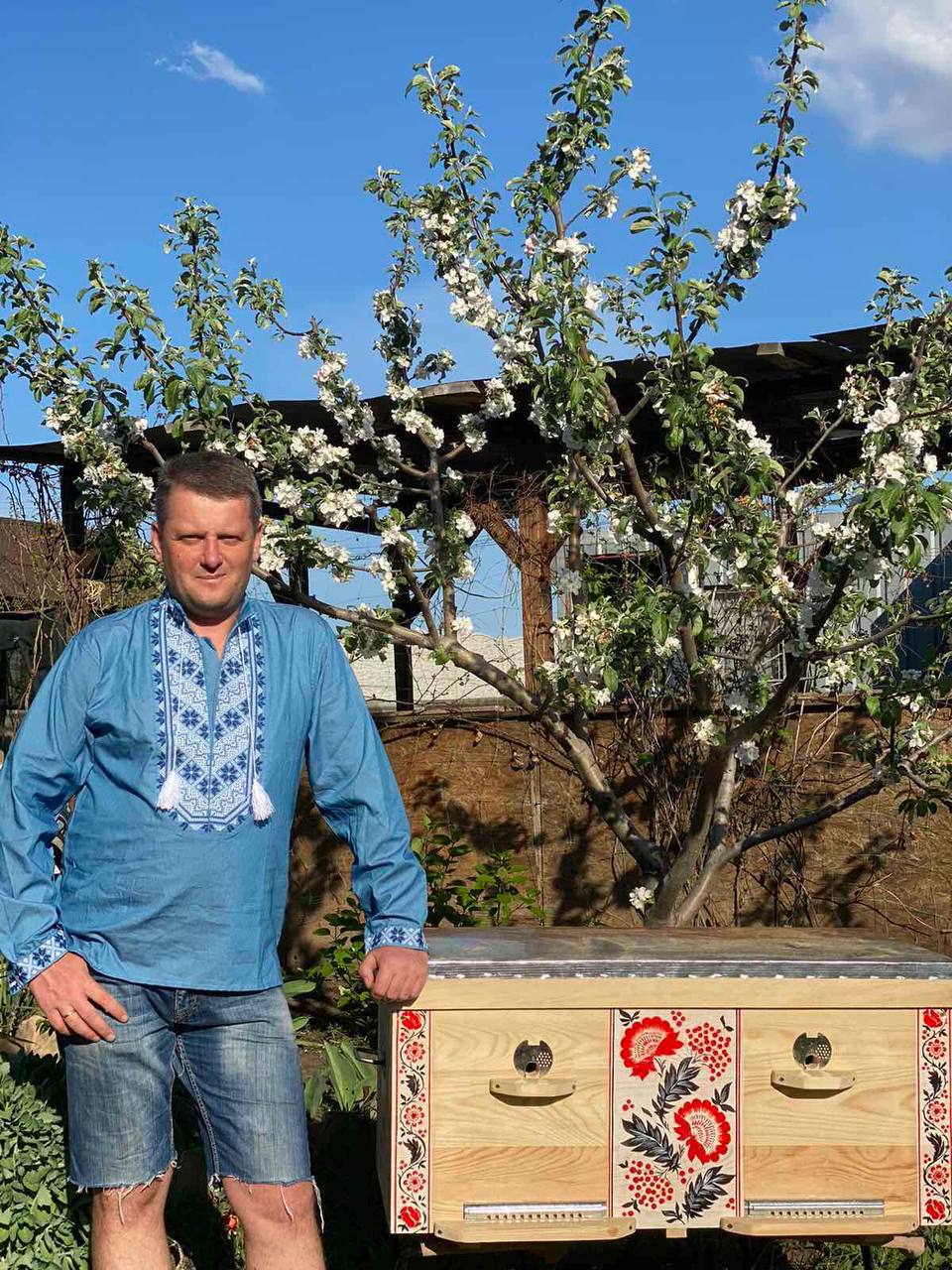
Oleh Perepelytsia is an entrepreneur from Kostiantynivka with 20 years of experience. He produced sleepers for repairing access roads to industrial enterprises in Donetsk Oblast before starting to make beehives as an additional business. This April, because of the war, he had to leave his city and move production to Cherkasy Oblast.

The idea of ​​making beehives came to Perepelytsia three years ago, as a use for boards left over from the production of sleepers. Local beekeepers liked the hives, and the number of customers and orders gradually increased. He bought wood for sleepers and beehives first from neighbors in Luhansk and Kharkiv Oblasts, and later in Kyiv and Sumy Oblasts.

“When the war started in February, orders for sleepers stopped. But I continued to make beehives. Already in April, I decided that I had to leave, because the shelling in the city became heavier, and it was dangerous to work there,” says Perepelytsia, owner of the enterprise Promkoliia.

Specialists of Economic Resilience Activity (ERA) helped Perepelytsia to sell part of his finished beehives in order to have working capital for moving.
The entrepreneur needed transport to move his equipment. At the time, freight transportation service prices increased significantly, and many drivers refused to go to Donetsk Oblast. At the same time, a state program for business relocation began, and Oleh submitted an application on the website.

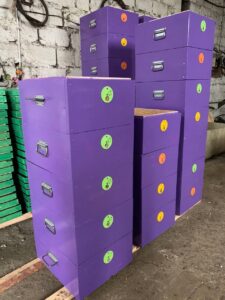
“The next day, they called and told me to prepare the documents and dismantle the equipment to evacuate it. I took woodworking machines, a sawmill, and auxiliary tools. I also took raw materials – wood and boards. Everything was put into five trucks, which went to a safe place, to Cherkasy Oblast,” the entrepreneur says.

Before going to Cherkasy, Perepelytsia had been to Dnipro, Kyiv and Chernihiv regions, looking everywhere for premises that would be suitable for his workshop. He could not find what he wanted – either the rental price was too high, or the premises were not suitable and needed additional repairs.

Finally, in the village of Moshny, Cherkasy Oblast, Perepelytsia rented a production facility and gradually resumed beehive production. He hired local residents to work with him, and now already has a small team of six. Although many beekeepers remain living in occupation in the eastern and southern regions, the entrepreneur receives orders from other parts of Ukraine. He uses a website through which he receives orders, and then sends the hives by post.

Perepelytsia does not plan to return home. He says that he will continue developing his enterprise in Cherkasy Oblast.

“I like the new place: there are many beekeepers who are my potential clients, and there are raw materials nearby from the forest. I think I have come to the right place, and will work now in Cherkasy Oblast,” he says.

ENTREPRENEUR FROM DONETSK OBLAST TEACHES HUNDREDS OF CHILDREN ROBOTICS

04 August 2022

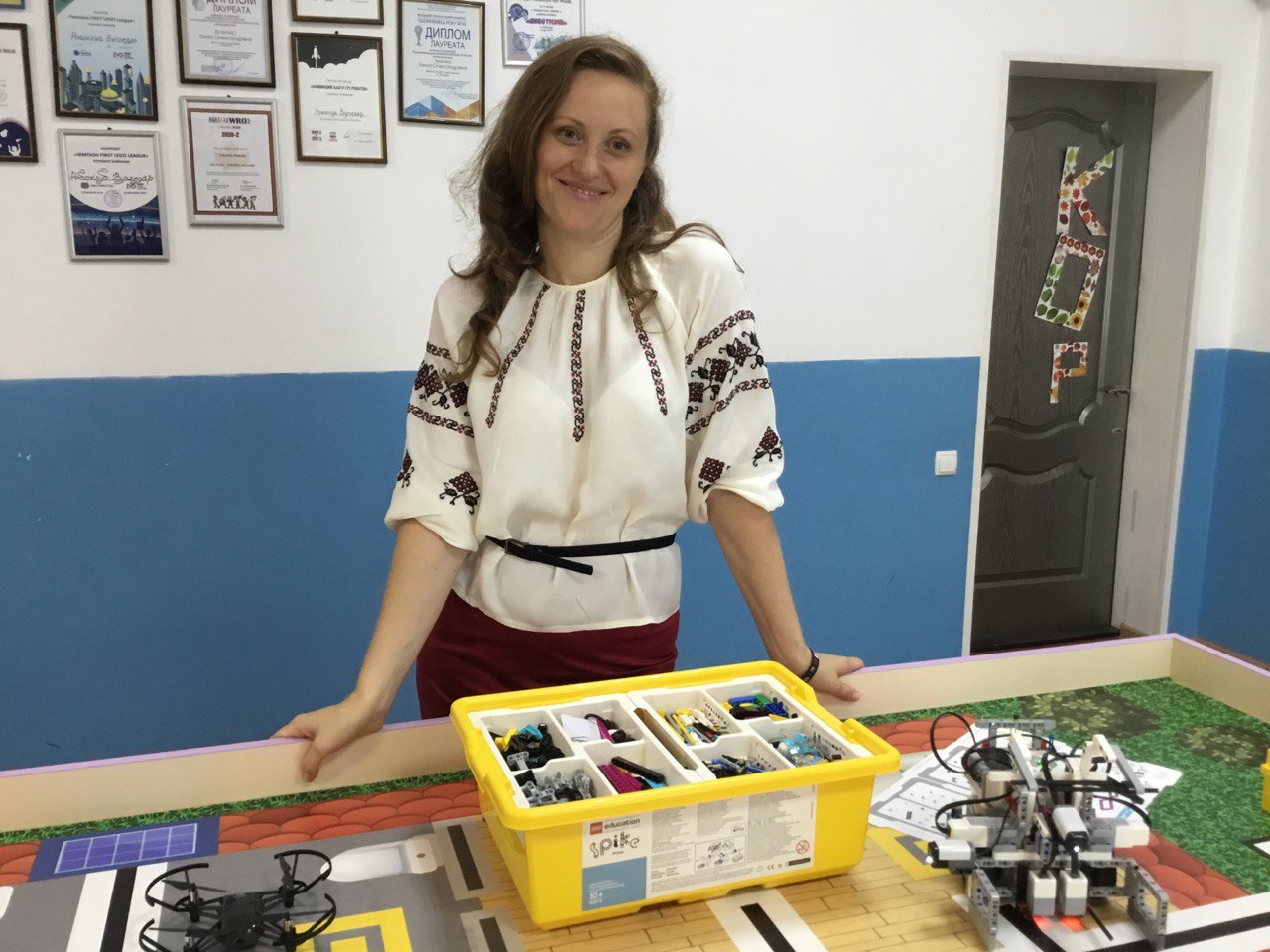
Hanna Telychko developed a network of robotics centers in Donetsk Oblast, east Ukraine. More than two hundred children attended her classes in the small towns of Vuhledar, Kurakhovo, Volnovakha and Novotroitske. Due to the war, the entrepreneur lost her business, but now she is again teaching children the professions of the future in west Ukraine.

With Economic Resilience Activity (ERA) assistance, Telychko developed and equipped robotics centers with blackboards, furniture and modern construction kits for assembling robots. Children enjoyed attending classes and participating in national and international robotics championships.

The war changed everything. Telychko’s robotics clubs in Vuhledar and Volnovakha were damaged by shelling, leaving only the remains of burnt equipment. Telychko does not know what happened in Novotroitske, as the city is currently under occupation. She managed to evacuate several construction kits from Kurakhovo which she used to resume work in Rivne, where she moved with her family.

At first, Telychko volunteered with the public organization Territory of Sustainable Development, buying food and hygiene products which she sent to residents still in Vuhledar. But she needed to get back to work.

She wrote more than ten applications to various foundations and organizations. Finally, her request to teach children robotics was supported by the Ukrainian Women’s Fund (UWF), and the Institute for Economic Research and Policy Consulting.

Under UWF’s Girls Can! project, Telychko now runs robotics master classes for 750 girls in Rivne and Khmelnytskyi Oblasts. Schoolgirls from 6 to 15 years old attend the free classes. As a gift they receive a book that should encourage them to continue learning.

“We show children how to program robots at the workshops. We should motivate them, telling them that the world is changing rapidly and they should think about choosing a profession that will be in demand when they finish school,” Telychko says. “Despite the war, we talk about the future, because now the military, volunteers, and all Ukrainians are fighting for victory.”

Both girls and boys come to robotics master classes supported by the Institute of Economic Research and Policy Consulting. Even during the summer, there are always children willing to participate. Information about the arrival of trainers is distributed in groups among the educational institutions of relevant towns. During three months of the Looking into the Future project, Telychko should attract 750 children from regional cities and small towns of western Ukraine.
The classes are a way of distracting children from the war and helping them adapt psychologically.

“Many children, along with their parents, became displaced persons,” says Telychko. “They lost their usual circle of contacts, and live in other people’s apartments or in shelters. It is very important to help children cope with such challenges. In our classes, while constructing a robot, and doing something for the first time, children can be distracted.”

Telychko understands these challenges because she herself has been displaced twice. In 2014, her family fled from the war in Donetsk city. In a few years, the candidate of technical sciences was able to create a successful business in Donetsk Oblast, but then war came again.

Now, in Rivne Oblast, Telychko and her husband Serhii are thinking about how to restart the business. They are getting in touch with local entrepreneurs, establishing contacts, and conducting a survey among parents to see if they are ready to pay for their children’s robotics classes. The Telychko family believes that they will succeed because they have the most important thing: experience.

3DPRINT FROM LUHANSK OBLAST TO PROVIDE AMERICAN PARTNERS WITH BIOENGINEERING SERVICES

27 July 2022

3Dprint from Sievierodonetsk, Luhansk Oblast relocated to Kyiv before the start of Russia’s full-scale invasion of Ukraine. 

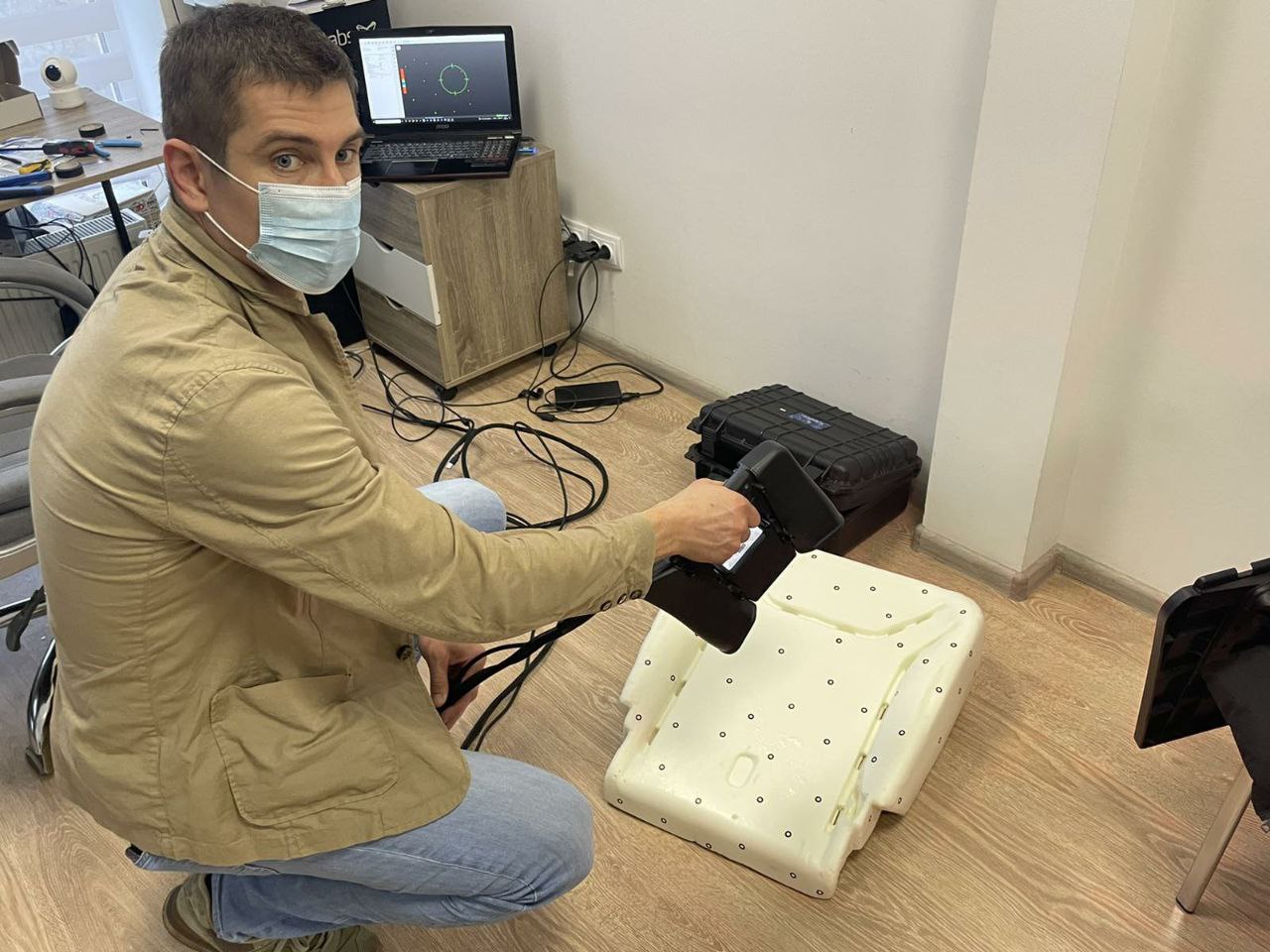
Since 2019, 3Dprint has been engaged in 3D modeling and printing for customers from different regions of Ukraine. The enterprise began when a group of engineers from Lysychansk received a grant from the UN Development Program to buy a 3D printer and start creating models of various products for industrial and medical use. They were approached by customers from both industrial production and small private automotive and agricultural workshops, for whom they made gears, auto spare parts, fasteners, and jewelry molds. The company moved to Sievierodonetsk, increasing the number of printers to ten and the team to seven people, and began thinking about entering foreign markets and attracting foreign customers. 

With the assistance of Economic Resilience Activity (ERA) consultants, the company developed a website in English and Ukrainian, to help sell the company’s services in foreign markets and fulfill orders for customers from the European Union and United States. 

“A month before the war, we decided to leave Luhansk Oblast. Knowing the experience of many businesses regarding relocation in 2014, when the war started in the east, we decided not to wait for hostilities. We took all our equipment, and all our employees agreed to leave the region. Now we realise it was very timely, because the stories about evacuation of people and  transport of equipment under shelling are scary to read,” says company co-founder Ivan Vasyliev. 

The Luhansk engineers rented premises in Kyiv and quickly resumed work. They have retained some of their previous customers, although all customers from Luhansk Oblast were lost, as the region is now occupied, making it impossible to order the company’s services from there. 

The engineers use raw materials from Europe for their products, such as polymer resin or powder for sintering. 

In April, the partners were advised to contact an American company, which is also engaged in 3D modeling and is interested in cooperation with Ukrainian manufacturers. 

“The American partners offered to provide us with a 3D printer for free, which prints according to the most modern SLS (Selective Laser Sintering) technology and costs approximately 1.5 million hryvnias. Products made on it can be used in medical, food and automotive industries. This printer should arrive in Ukraine at the end of July–beginning of August. But there is a condition: we have to put this equipment in an open space (a coworking space or business center) and popularize 3D printing services in Ukraine. The company will also help us train our employees to print on this equipment,” Vasyliev says. 

The Ukrainian developers are currently looking for premises for the printer, and hope for close cooperation with the Americans. Colleagues from the USA are also ready to order models from the Ukrainian company for future manufacturing of products. One interesting and promising direction is the production of models for doctors, in particular in dentistry, surgery and other fields of medicine. Some orders are planned to be fulfilled free of charge, or with discounts. 

“We already have experience of cooperation with scientists from the Bohomolets Institute in Kyiv. For example, before complex surgery, surgeons simulate the operation process on samples printed on a 3D printer. Now, when there is war in Ukraine, this is highly in demand. Many wounded (both military and civilian) need prosthetics, so this is a very promising direction of work,” says Vasyliev. 

Those who want to model in the field of bioengineering (in particular, dentistry) will be taught on the American printer to further create 3D models to order for American customers. This is also considered an interesting direction of development. 

The Luhansk developers dream of returning to their home in the east, but until then they will work for the victory of Ukraine in a new place, helping to restore the economy and provide jobs.